The Famous Outfits style guide
Men’s Winter Fashion: 6 Outfit Ideas for Cold Weather
Men’s winter style works best when each layer has a clear job. Start with six complete outfit formulas—from a wool overcoat and dark jeans to a waterproof parka—then adjust the knit, trousers and footwear for your commute, dress code and forecast.
By Famous Outfits · Updated September 27, 2026
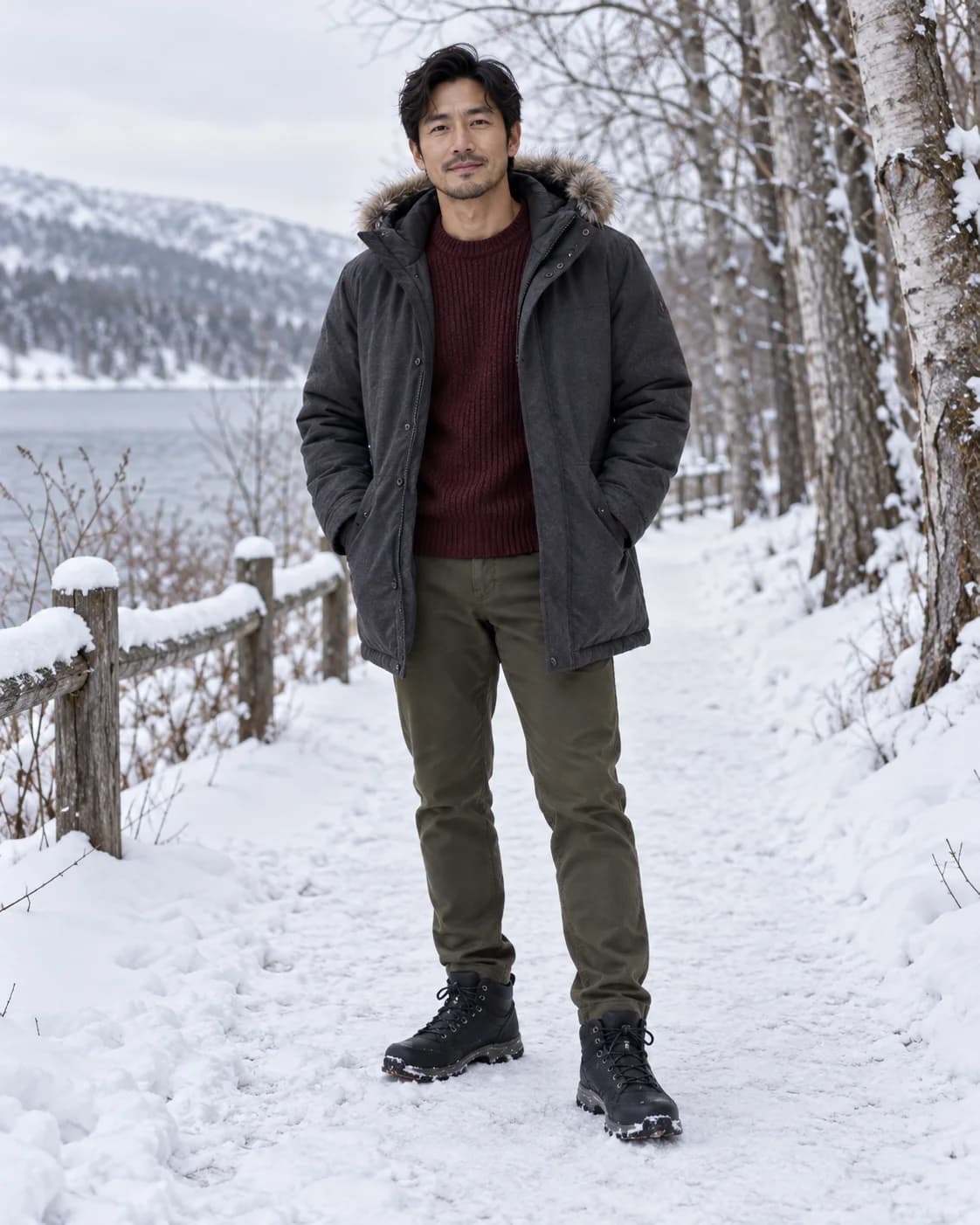
Start here
What should men wear in winter?
For a polished everyday winter outfit, wear a wool coat over a warm knit with straight jeans or wool trousers and leather boots. Choose a waterproof insulated parka and grippy boots for wet snow. Keep base layers comfortable, leave enough room for movement, and let the forecast determine whether canvas sneakers or a wool overcoat make sense.
Winter colors that are easy to combine
Build from dependable dark neutrals, then add a light knit or a muted accent. Texture and weather protection make more difference than following a strict seasonal color rule.
Navy
A flexible color for wool coats, blazers and knitwear.
Try it: Navy overcoat + gray crewneck + dark denim
Charcoal
A quiet neutral for turtlenecks, trousers and practical outerwear.
Try it: Charcoal knit + camel coat + gray trousers
Camel
A warm coat color that brightens navy, gray and black layers.
Try it: Camel topcoat + charcoal turtleneck + gray wool pants
Olive
A muted trouser or jacket color that works with cream and brown.
Try it: Olive chinos + cream cable knit + brown boots
Cream
A lighter sweater or tee that breaks up dark winter outerwear.
Try it: Cream knit + forest jacket + dark jeans
Burgundy
A deeper accent knit that pairs naturally with charcoal and olive.
Try it: Burgundy sweater + charcoal parka + olive trousers
Stone
A light trouser option for mild, dry winter days.
Try it: Stone chinos + coffee overshirt + cream tee
Brown
A useful footwear and outerwear color beside navy, gray and olive.
Try it: Brown leather boots + indigo jeans + navy overcoat
Use contrast to keep layers distinct
A light sweater under a dark coat is an easy way to define the layers. If you prefer a dark outfit, separate the pieces through texture—smooth denim, a ribbed knit and a wool-blend coat read differently even in a close palette. Add one accent color such as burgundy or rust rather than making every layer compete.
Match color to fabric and weather
The same shade can look different in wool, cotton and technical nylon. A camel wool coat feels at home over trousers and leather boots; a green insulated puffer is a practical casual layer. Check the fabric, lining and care details instead of assuming that a color name tells you how warm or water resistant a garment will be.
Keep footwear connected to the conditions
Brown leather is a versatile city choice on dry pavement, while waterproof black boots make more sense in slush and snow. If you want lighter shoes, use them on clear days and keep the rest of the outfit seasonally appropriate. Tread, fit and warmth deserve as much attention as color.
6 men’s winter outfits for cold days
Use the formulas as a starting point and substitute pieces you already own. Each combination has a different job, from a relaxed weekday to an occasion that calls for tailoring.
Compare the outfits at a glance
| Outfit | Best for | The formula |
|---|---|---|
| A navy overcoat over a gray crewneck and dark jeans | Everyday city wear • dry cold | Navy single-breasted wool-blend overcoat + white Oxford shirt + light-gray crewneck sweater + dark straight jeans + brown lace-up boots |
| A camel topcoat with charcoal knitwear | Dinner or office • cold and mostly dry | Camel overcoat + charcoal turtleneck + gray wool trousers + brown leather boots |
| A forest-green jacket with a cream cable knit | Weekend • cold casual weather | Forest-green quilted jacket + cream cable-knit sweater + dark straight jeans + brown lace-up boots |
| A navy blazer layered over a gray crewneck | Smart casual • office or dinner | Navy blazer + light blue Oxford shirt + light-gray crewneck sweater + gray wool trousers + brown dress shoes |
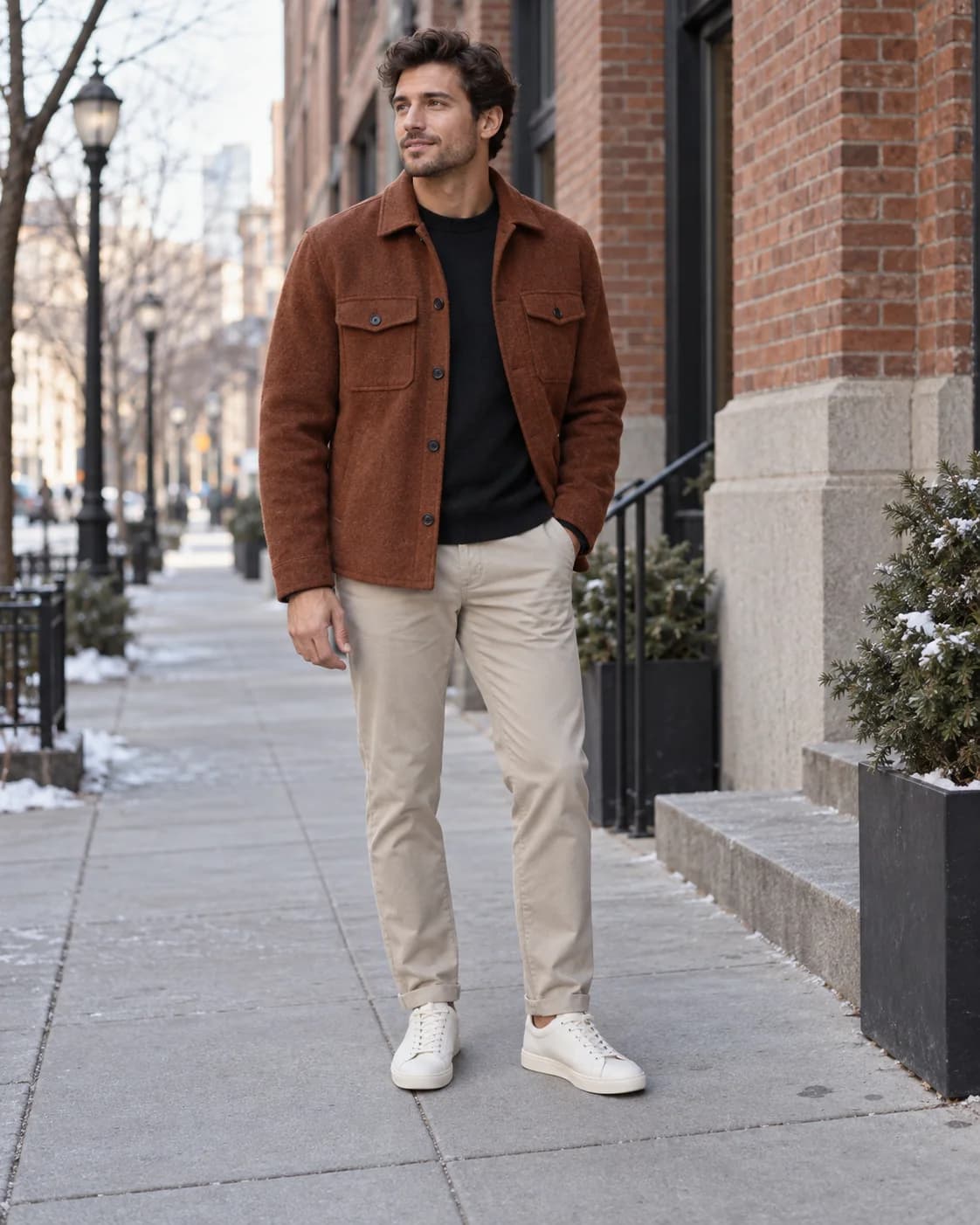
| A coffee-brown shacket for a mild winter day | Casual lunch • cool, dry weather | Coffee-brown overshirt + black crew tee + stone chinos + off-white sneakers |
| A charcoal parka for snow and slush | Cold commute • wet or snowy conditions | Charcoal insulated parka + burgundy knit + olive trousers + waterproof snow boots + warm hat and scarf |
As an Amazon Associate, Famous Outfits earns from qualifying purchases. Shop similar pieces to recreate each look; the photos do not depict the exact linked products. Check your size, color, and current price on Amazon.
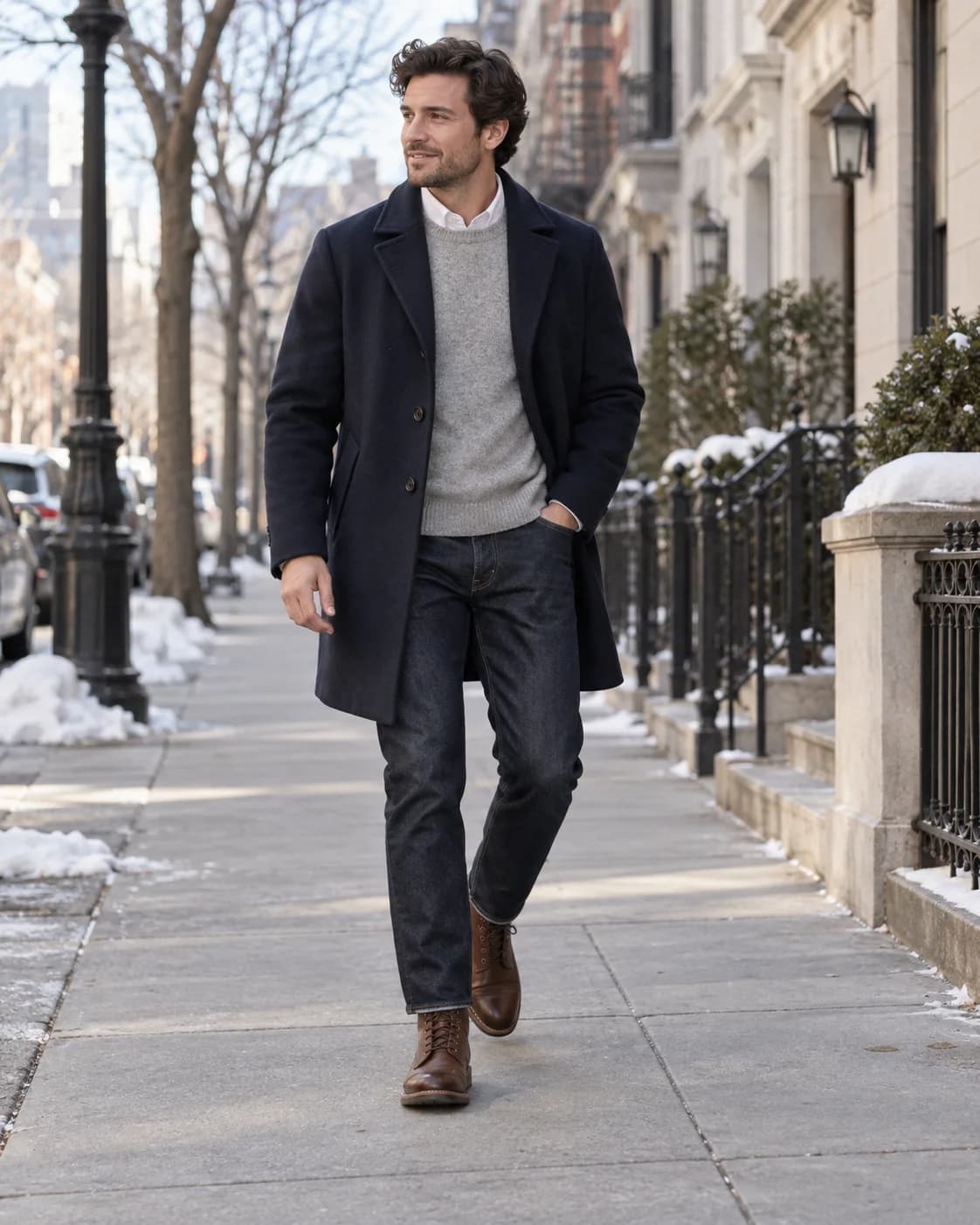
01 / Everyday city wear • dry cold
A navy overcoat over a gray crewneck and dark jeans
Navy single-breasted wool-blend overcoat + white Oxford shirt + light-gray crewneck sweater + dark straight jeans + brown lace-up boots
This is a useful city outfit when you want warmth without a technical jacket. The longer navy overcoat sits cleanly over the light-gray crewneck, with the white Oxford collar visible above it. Brown lace-up boots finish the dark denim without adding another strong color. A straight jean leaves room to move and falls cleanly over an ankle boot. Treat the linked coat and sweater as shopping options, not a claim that the editorial photo shows those exact items.
Make it yours. Try the coat over the sweater you actually plan to wear. If the shoulders pull when you reach forward, look for a roomier cut; if streets are wet or icy, choose weather-rated footwear instead of relying on a dress boot.
Shop this outfit 5 pieces
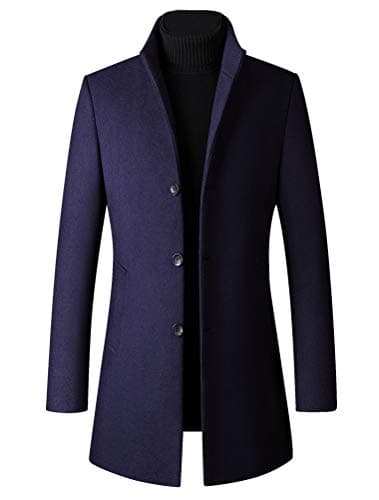 FTCayanzNavy single-breasted wool-blend overcoatNavy, single-breasted wool-blend style; check the listing for fabric and measurements.View on Amazon
  Amazon EssentialsWhite Oxford shirtWhite cotton Oxford shirt with a regular fit.View on Amazon
  Amazon EssentialsLight-gray crewneck sweaterLight Grey Heather; a cotton cable knit, close to the pictured gray crewneck.View on Amazon
  GAPDark indigo straight jeansRinse-washed indigo; select your waist and inseam.View on Amazon
  ArkbirdBrown leather chukka bootsMatte Coffee leather; a chukka alternative to the cleaner boot shape shown.View on Amazon
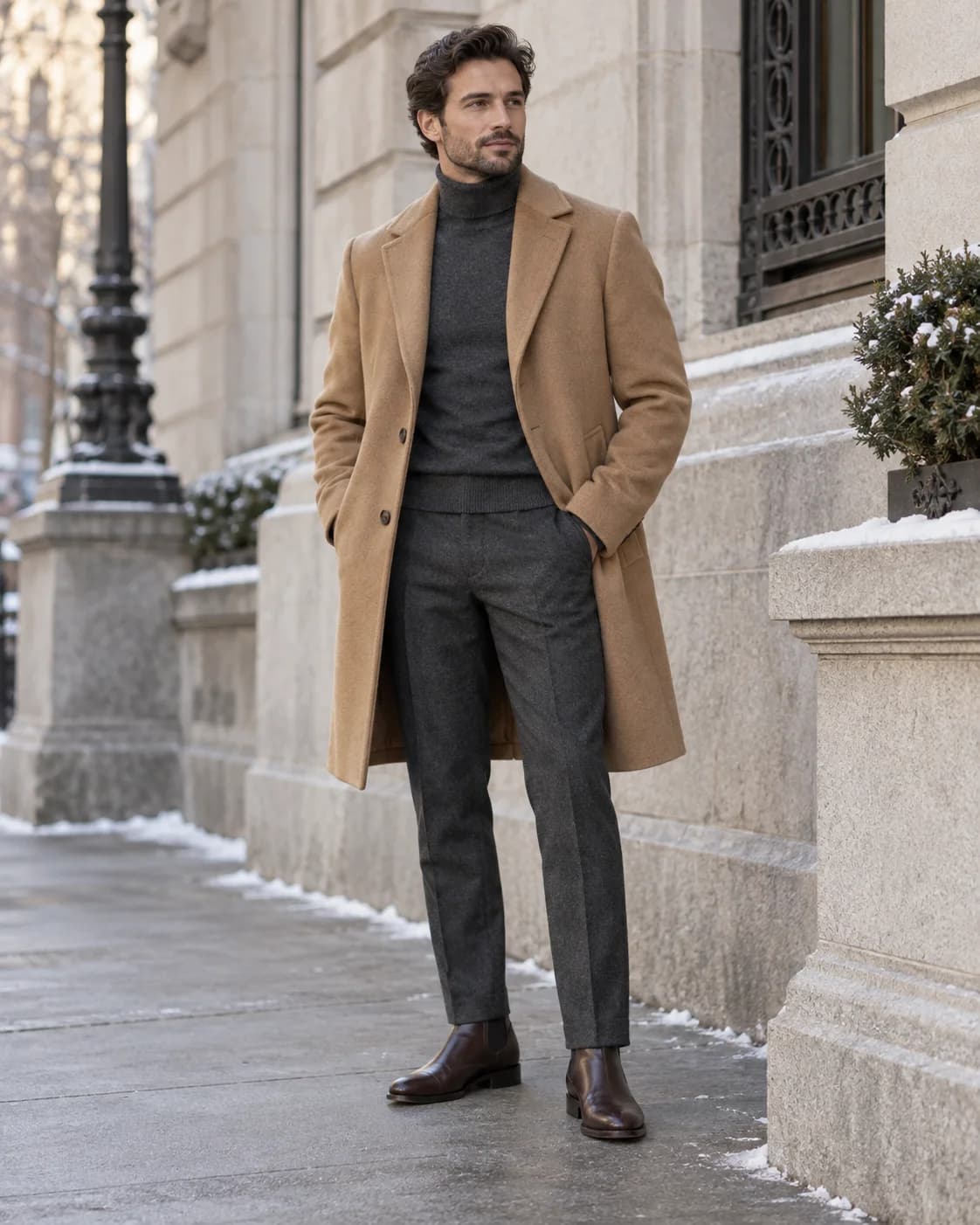
02 / Dinner or office • cold and mostly dry
A camel topcoat with charcoal knitwear
Camel overcoat + charcoal turtleneck + gray wool trousers + brown leather boots
The coat supplies most of the visual structure, so the rest of the outfit can stay quiet. Charcoal sits clearly against camel, and gray trousers continue the neutral palette without turning the combination into a matching set. Wool-blend trousers are useful for a dry commute or dinner; protect the hem from slush and change shoes when conditions call for more grip.
Make it yours. Check the topcoat sleeve over your knit and leave enough space to sit with the front closed. If you already own dark gray trousers, use them before buying a new pair.
Shop this outfit 4 pieces
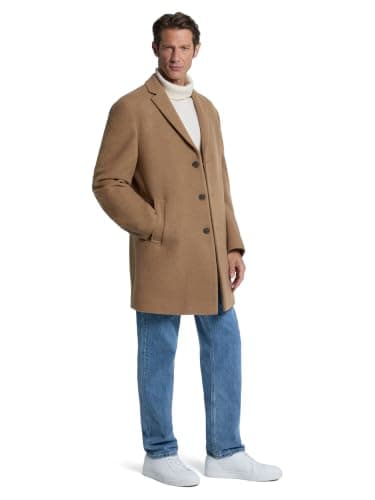 Calvin KleinCamel wool-blend overcoatCamel overcoat; review the sizing and length options.View on Amazon
 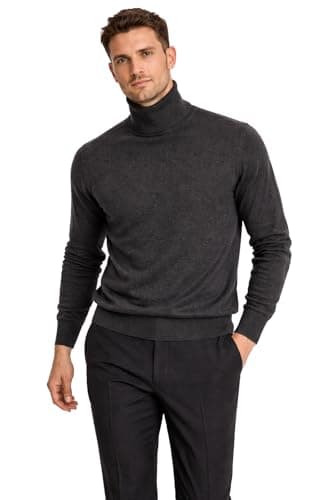 CashmerenCharcoal merino turtleneckCity Smoke charcoal; merino knit, choose your size.View on Amazon
 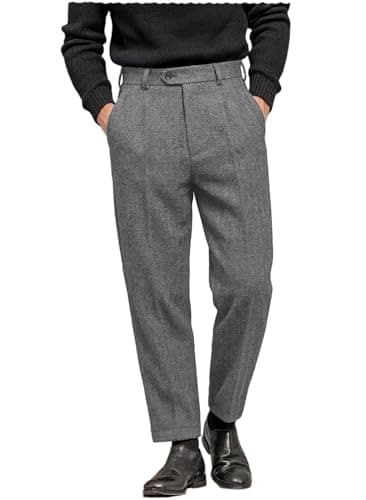 UnbrandedGray herringbone trousersGray wool-blend tweed appearance; confirm fabric details and waist sizing on the listing.View on Amazon
 - ArkbirdBrown leather chukka bootsMatte Coffee leather; a chukka alternative to the cleaner boot shape shown.View on Amazon
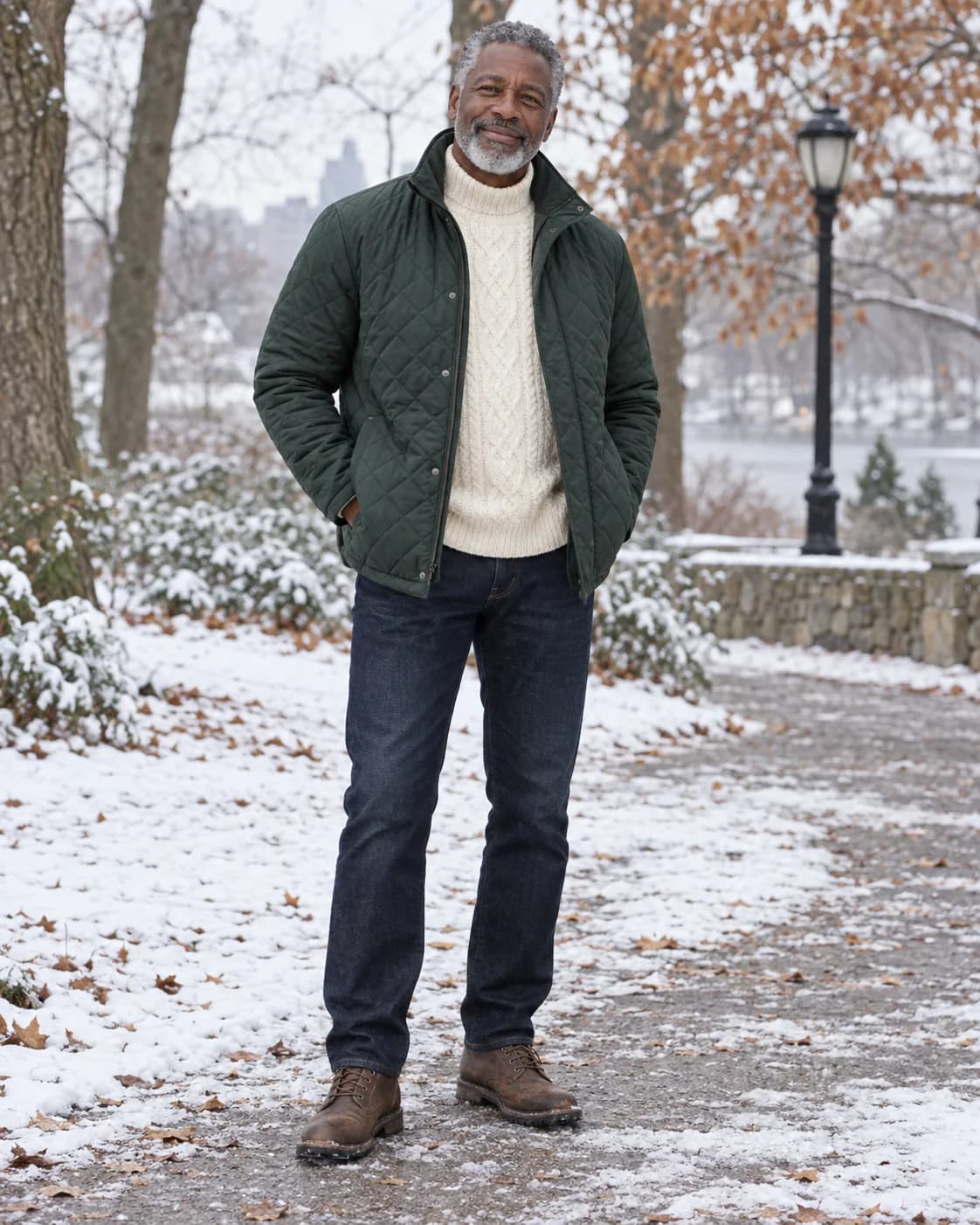
03 / Weekend • cold casual weather
A forest-green jacket with a cream cable knit
Forest-green quilted jacket + cream cable-knit sweater + dark straight jeans + brown lace-up boots
A light sweater gives this layered outfit a clear center, while the green jacket and dark denim keep the palette outdoorsy without extra utility details. The linked green puffer is a sportier alternative to the diamond-quilted jacket shown. A quilted jacket is a casual outer layer; use a warmer shell when the forecast requires it.
Make it yours. Dark jeans already distinguish the trousers from the forest-green jacket. Keep the trouser leg comfortable enough to move over a base layer.
Shop this outfit 4 pieces
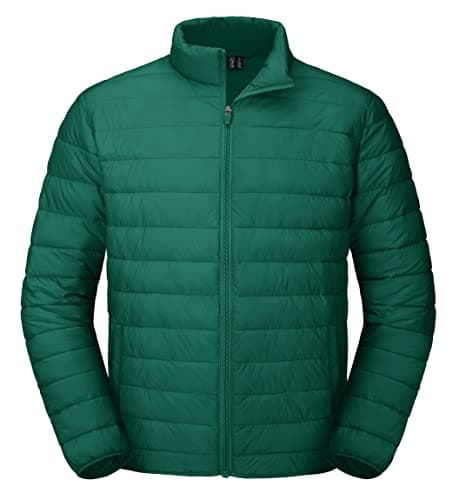 MAGCOMSENGreen insulated puffer jacketGreen insulated puffer, more padded than the quilted jacket pictured; check warmth and layering room.View on Amazon
 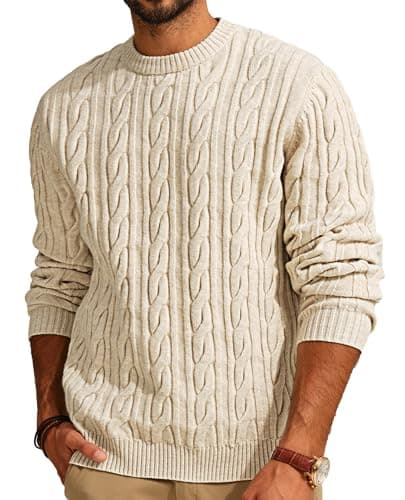 PJ PAUL JONESApricot cable-knit sweaterApricot is warmer and more golden than the cream sweater pictured.View on Amazon
 - GAPDark indigo straight jeansRinse-washed indigo; select your waist and inseam.View on Amazon
- ArkbirdBrown leather chukka bootsMatte Coffee leather; a chukka alternative to the cleaner boot shape shown.View on Amazon
04 / Smart casual • office or dinner
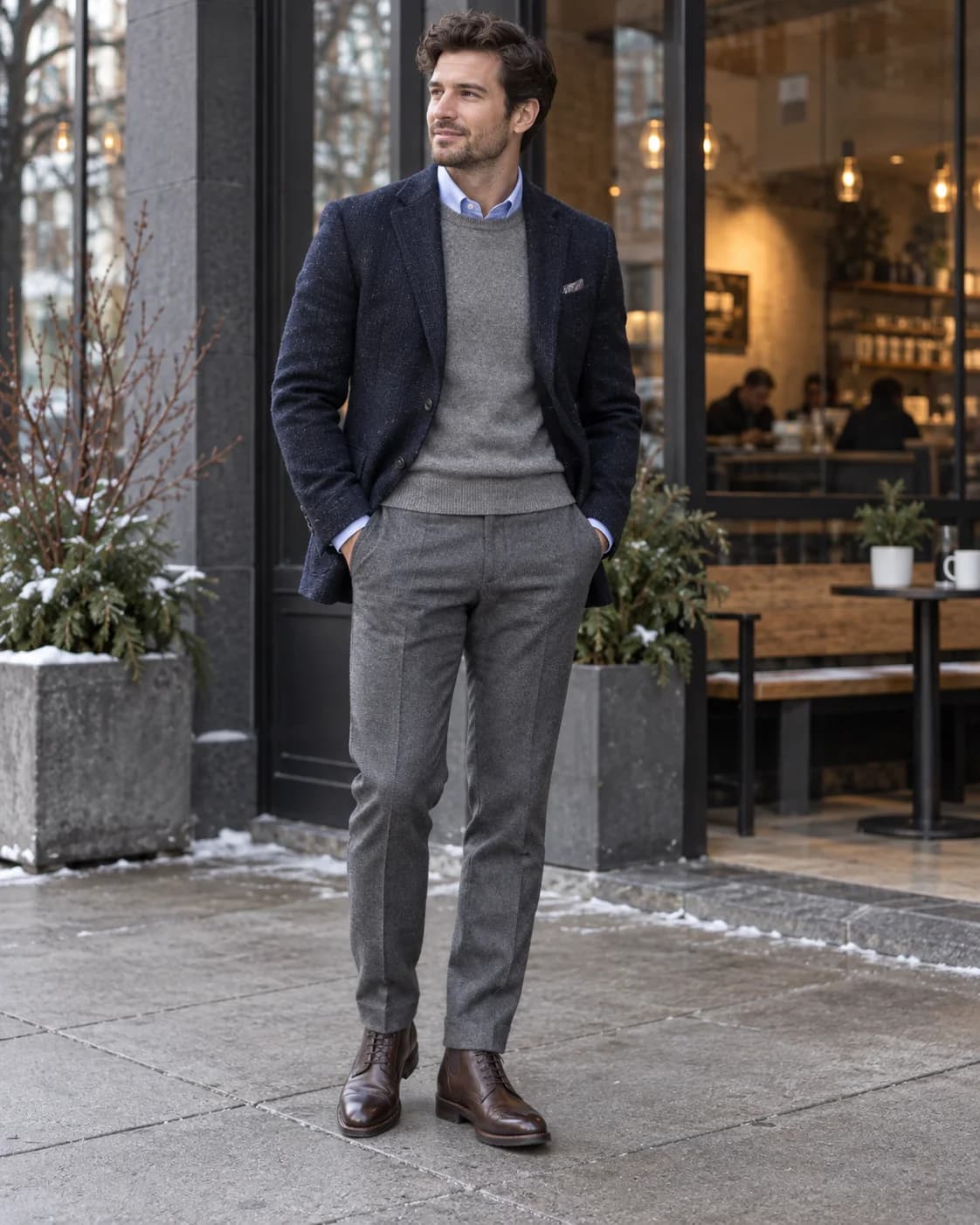
A navy blazer layered over a gray crewneck
Navy blazer + light blue Oxford shirt + light-gray crewneck sweater + gray wool trousers + brown dress shoes
Layering a fine sweater over an Oxford adds warmth while keeping the collar and cuffs visible. Gray trousers give the blazer a deliberate separates look, and brown shoes make the outfit feel less formal than a dark matching suit. Leave enough room through the blazer chest and sleeve for the knit. This combination suits smart-casual settings, not invitations that require formal business dress.
Make it yours. Wear the blazer over the finished layers when checking fit. If the sleeves bunch or the lapels pull, choose a thinner sweater or a more relaxed jacket.
Shop this outfit 5 pieces
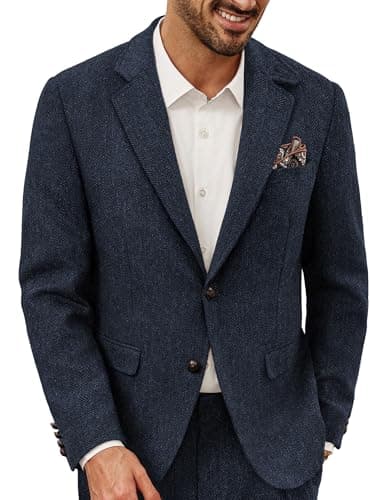 PJ PAUL JONESNavy herringbone blazerNavy herringbone wool blend; check garment measurements before ordering.View on Amazon
  Amazon EssentialsBlue Oxford shirtBlue regular-fit Oxford with button-down collar.View on Amazon
 - Amazon EssentialsLight-gray crewneck sweaterLight Grey Heather; a cotton cable knit, close to the pictured gray crewneck.View on Amazon
- UnbrandedGray herringbone trousersGray wool-blend tweed appearance; confirm fabric details and waist sizing on the listing.View on Amazon
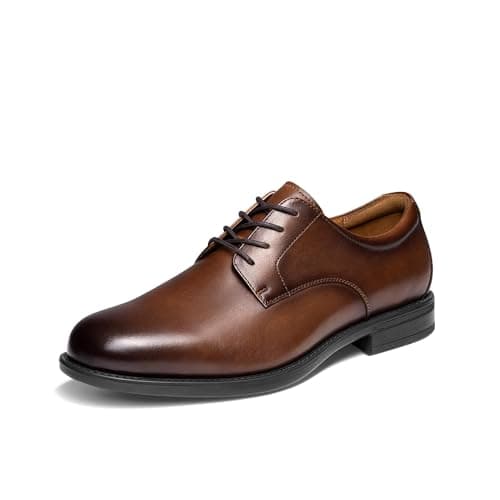 Bruno MarcBrown leather dress shoesBrown cap-toe dress-shoe alternative to the boots pictured.View on Amazon
05 / Casual lunch • cool, dry weather
A coffee-brown shacket for a mild winter day
Coffee-brown overshirt + black crew tee + stone chinos + off-white sneakers
A shirt-jacket creates a relaxed top layer without the bulk of a coat. Stone chinos and off-white sneakers keep the outfit light, while the coffee-brown layer adds a warm accent over the black tee. This is best for a mild, dry winter day or a mostly indoor schedule; a lightweight overshirt does not replace insulation or a rain shell. The linked tee and chinos are close palette options, with exact shades varying by product listing.
Make it yours. For colder weather, wear a thin thermal top beneath the tee and add a coat over the shacket. Keep canvas sneakers for clear pavement.
Shop this outfit 4 pieces
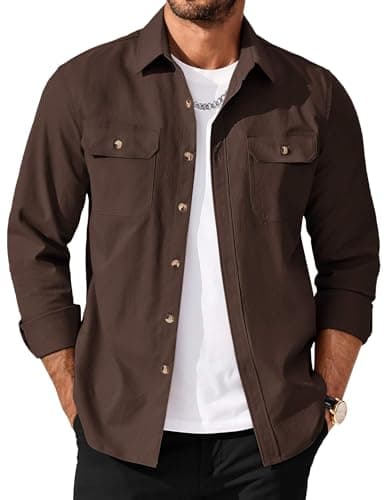 COOFANDYCoffee-brown overshirtCoffee brown; a lighter shirt-jacket layer, so add a warm base layer in colder weather.View on Amazon
 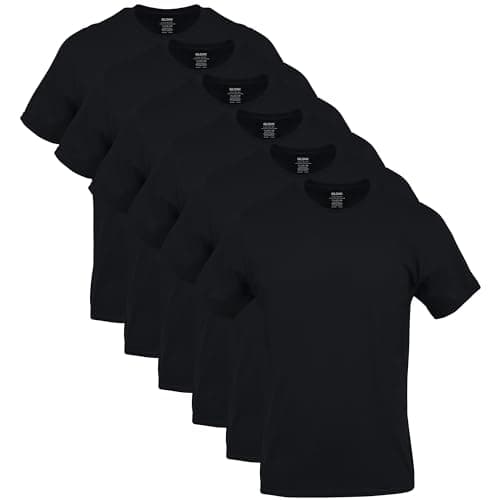 GildanBlack crew-neck teeBlack cotton crew tee; listing is a multipack.View on Amazon
 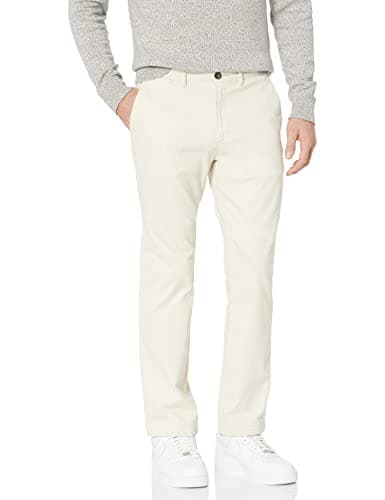 Amazon EssentialsStone straight chinosStone; select your waist and inseam.View on Amazon
 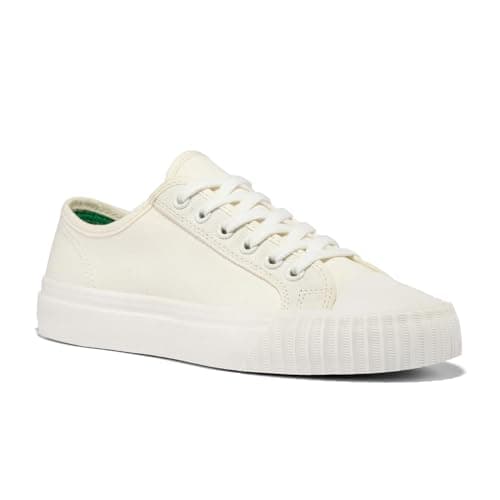 PF FlyersOff-white canvas sneakersSea Salt/off-white; check the unisex size conversion.View on Amazon
06 / Cold commute • wet or snowy conditions
A charcoal parka for snow and slush
Charcoal insulated parka + burgundy knit + olive trousers + waterproof snow boots + warm hat and scarf
When the weather is wet or windy, practical coverage matters more than a dressy silhouette. Charcoal and burgundy create contrast above olive trousers, while waterproof boots protect the feet on slushy ground. The linked knit is a cotton layer and should sit beneath the insulated coat rather than serve as technical warmth on its own. A hat and scarf can cover exposed areas on a cold walk.
Make it yours. Use boots with tread appropriate to the conditions and keep the trouser hem above puddles. Check the coat’s insulation, waterproof claims and layering room against your actual commute.
Shop this outfit 5 pieces
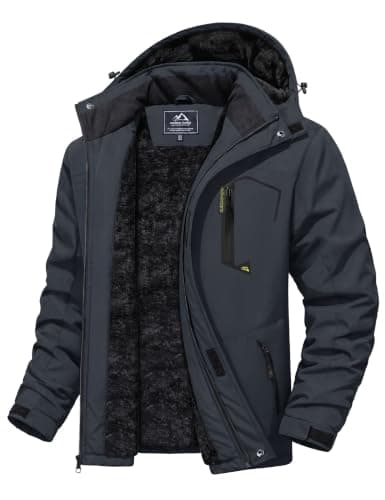 MAGCOMSENCharcoal waterproof insulated parkaCharcoal insulated snow jacket; review waterproofing and warmth details for your climate.View on Amazon
 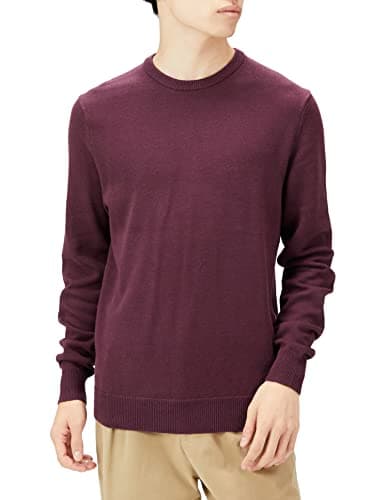 Amazon EssentialsBurgundy cable-knit sweaterBurgundy cotton cable knit; a midweight layer rather than technical insulation.View on Amazon
 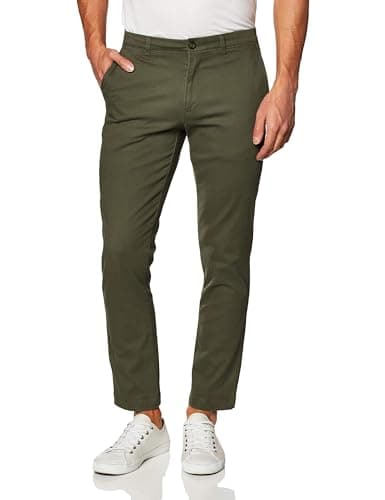 Amazon EssentialsOlive relaxed chinosOlive relaxed fit; choose your waist and inseam.View on Amazon
 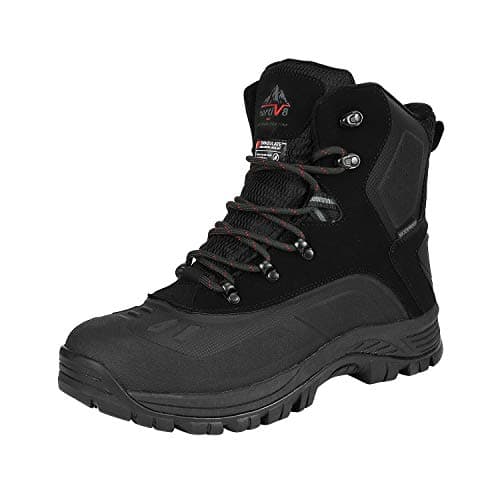 NORTIV 8Waterproof winter bootsBlack waterproof insulated boot; check size, tread and warmth needs.View on Amazon
 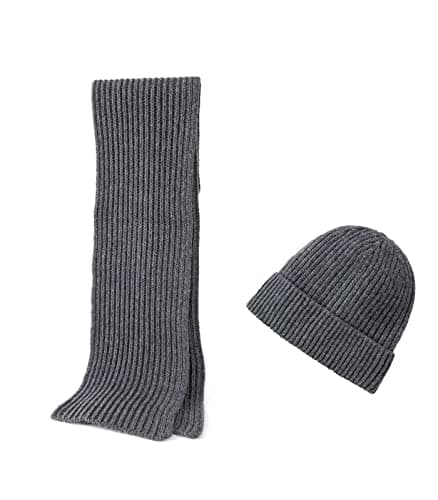 UnbrandedCharcoal merino hat and scarf setCharcoal merino hat and scarf set; verify care instructions.View on Amazon
Build a small wardrobe that mixes easily
Start with a coat, one warm knit, versatile trousers and weather-appropriate shoes. Add a second outer layer only if your climate or weekly routine needs a different level of warmth or formality.
Everyday outer layer
A wool-blend coat
Useful over knits for commuting and city wear in cold, mostly dry weather.
Wet-weather outer layer
An insulated waterproof parka
Choose weather protection for rain, wind and snow instead of expecting a wool coat to do every job.
Warm midlayer
A merino or other comfortable knit
Adds warmth beneath a coat without the bulk of stacking several heavy sweaters.
Light base layer
A tee or thermal top
Helps regulate warmth indoors and outdoors; choose fabric for comfort and care.
Versatile trousers
Dark straight jeans or gray wool trousers
Pick denim for casual days and wool trousers for smarter settings.
Weather-ready footwear
Waterproof boots with suitable tread
A practical option for slush and snow; use dress shoes on dry ground.
Mild-day shoes
Clean sneakers
Keep canvas or smooth-soled pairs for dry, cleared streets.
Cold-day accessories
A warm hat, scarf and gloves
Cover exposed areas during outdoor waits and walks.
Before buying, make three combinations from the pieces on your list. If a new shirt only works with trousers you do not own, it may be less useful than a replacement for something you wear every week. Fabric care and comfortable fit deserve as much attention as color.
Dress for the kind of winter day
Winter conditions vary. Use the outfit formulas as starting points, then adjust the shell, insulation and footwear to your forecast and time outdoors.
Dry city days: wool coats and layered knits
A wool coat or overcoat can work well with a sweater, jeans or wool trousers when precipitation is light. Try the full outfit together so the coat closes over the knit and sleeves do not bunch. Leather boots suit dry pavement; keep a more weather-ready pair available for wet commutes.
Wet snow and wind: prioritize coverage
Choose an insulated jacket or parka with a hood when conditions demand it. Waterproof footwear with tread, gloves and a hat matter more than adding another decorative layer. Follow the garment’s care and performance details, and do not treat a fashion label such as “winter coat” as proof of technical protection.
Mild winter afternoons: lighter layers
An overshirt, tee and chinos can be comfortable when it is cool but dry. Carry a coat if the temperature is likely to fall, and choose sneakers only when the route is clear. A small thermal layer under the tee is an easy adjustment that does not change the outfit’s silhouette.
Indoor days and temperature changes
If you move between cold streets and heated rooms, use layers you can remove. A base tee, fine knit and coat are easier to manage than one heavy sweater beneath a very warm shell. Store wet outerwear separately and let shoes dry fully before wearing them again.
Choose layers that fit together
Check movement at the shoulders
Reach forward, raise your arms and sit with every layer on. A jacket may look right standing still but pull across the back when you carry a bag or drive. Size charts help, but your actual base and midlayers are the best test.
Allow room without adding excess bulk
The outer layer should fit over a knit while keeping the shoulders in place. A very tight coat compresses the layers and limits movement; an overly large one can catch on bags and chairs. Try another cut when the proportions do not work.
Set trouser length for boots and weather
Try trousers with the footwear you plan to wear. A small break works for jeans and dress boots, while wet or snowy conditions call for hems that stay clear of slush. Avoid long fabric dragging over the heel or bunching inside a boot.
Balance textures and proportions
A chunky cable knit adds volume, so pair it with a coat that has enough structure and trousers that are not skin-tight. A fine merino layer slips more easily under a blazer. Texture provides interest even when the palette stays neutral.
Simple fixes for common winter outfit problems
The layers feel bulky indoors
Remove one midlayer or replace a chunky sweater with a finer knit. Keep an outer coat for the walk outside rather than overheating in a heated room. The layers should work together without forcing you to wear every piece all day.
The outfit looks too dark
Add a cream or pale blue layer near the face, or choose a lighter trouser for a dry day. If you prefer a dark palette, use different textures and one muted accent such as burgundy so the pieces remain distinct.
The shoes feel wrong for the forecast
Switch from canvas sneakers or dress shoes to boots with traction and water protection. Save lighter footwear for dry, cleared ground. Wet socks and slick soles can spoil an otherwise good outfit quickly.
The coat does not close comfortably
Try it over the thickest sweater you plan to use. If the shoulders, chest or arms pull, compare another cut or size; a belt cannot fix a coat that is too narrow. Keep enough sleeve length to cover the wrist without hiding the hand.
Men’s winter fashion questions
A few useful answers before you choose your next outfit.
What should a man wear in winter to look stylish?
Start with a useful base, add one insulating layer, then choose an outer layer for the actual weather. A knit with straight jeans and a wool coat works for dry city days; a waterproof insulated jacket, warm trousers and boots with grip make more sense in snow or rain. Keep the colors simple and check that each layer fits over the one below it without pulling.
How do you layer clothes without looking bulky?
Use thinner layers close to the body and put the roomiest piece outside. A merino or cotton base under a fine sweater and a coat usually sits more smoothly than stacking several chunky knits. Check the shoulder seams, arm movement and front closure while wearing every layer. If the coat strains across the back or the sleeves bunch, try a different cut instead of sizing up blindly.
What colors work best for men’s winter outfits?
Navy, charcoal, brown, olive, cream and burgundy make a flexible cold-weather palette. Try one light piece against darker outerwear—such as a cream sweater under a navy coat—or keep the outfit tonal and vary the texture. You do not need to wear only dark colors in winter; lighter trousers and knits can work when the fabric and weather suit them.
Can you wear sneakers in winter?
Yes, on dry, cleared streets. Canvas and smooth-soled sneakers are a poor choice for slush, ice or heavy rain because they offer limited warmth, water protection and traction. Check the forecast and walking surface, then switch to waterproof boots when conditions call for them. A clean low-top sneaker still works for a mild winter day.
Are jeans warm enough for winter?
They can be comfortable in mild, dry cold, especially with a base layer if your fit allows it. Denim is not a substitute for insulated or weather-resistant trousers in wind, wet snow or prolonged outdoor activity. A straight fit leaves more room to move and layer than a very tight pair. Change into dry clothes if denim becomes wet.
How should a winter coat fit over a sweater?
Wear the thickest layer you expect to use when trying on the coat. You should be able to reach forward, sit and close the front without the back or shoulders pulling. Sleeves should still cover the wrists with your arms relaxed, and the hem should suit the activity. A roomy coat is useful, but excess fabric that catches or swings can be uncomfortable.
What is the difference between a peacoat, overcoat and parka?
A peacoat is typically a shorter double-breasted wool-blend coat suited to cold, mostly dry city wear. An overcoat is longer and often layers over tailoring or a sweater. A parka usually provides more weather coverage and may include insulation and a hood, so it is practical for wind, rain or snow. Check the specific garment’s fabric, lining and care details because product names are not performance guarantees.
How can I dress smart casual in winter?
Combine a button-down shirt or fine sweater with wool trousers or clean chinos, then add a textured blazer or an unstructured coat. Leather boots or dress shoes can finish the outfit if the ground is dry and safe. Keep technical ski gear and bulky athletic layers for outdoor use rather than trying to dress them up for a dinner or office.
Do boots need to match a belt in winter?
They do not need to match exactly. Brown boots sit naturally with navy, olive, charcoal and denim; black boots make an easy partner for charcoal and black. A similar belt color can make a tucked shirt look coherent, but it is optional with casual untucked outfits. Choose traction and weather protection before fine color coordination.
What should I wear for a winter commute?
Dress for the coldest part of the trip, not just the heated office. A warm layer under a coat, comfortable trousers, gloves and shoes with grip help for walking and waiting outdoors. If you carry a backpack or sit on transit, test the coat while moving and sitting so the fabric does not bind. Keep a dry spare layer at work if you often get caught in wet weather.
Can you wear a blazer under a winter coat?
Yes, if the coat has enough room at the shoulders and sleeves. Wear both pieces together while checking that the blazer hem stays covered and the coat closes comfortably. A clean wool overcoat is an easy pairing; a bulky parka can work for warmth but has a more casual, practical effect. Avoid squeezing a tailored jacket beneath a close-fitting shell.
How do I keep winter outfits practical in snow and slush?
Choose waterproof footwear with tread, keep trouser hems clear of wet ground, and use an outer layer that blocks wind and moisture. Wool can retain warmth better than cotton when the weather is damp, but it still needs suitable care and may not replace a waterproof shell. Avoid slick soles on ice and follow local safety guidance for severe conditions.
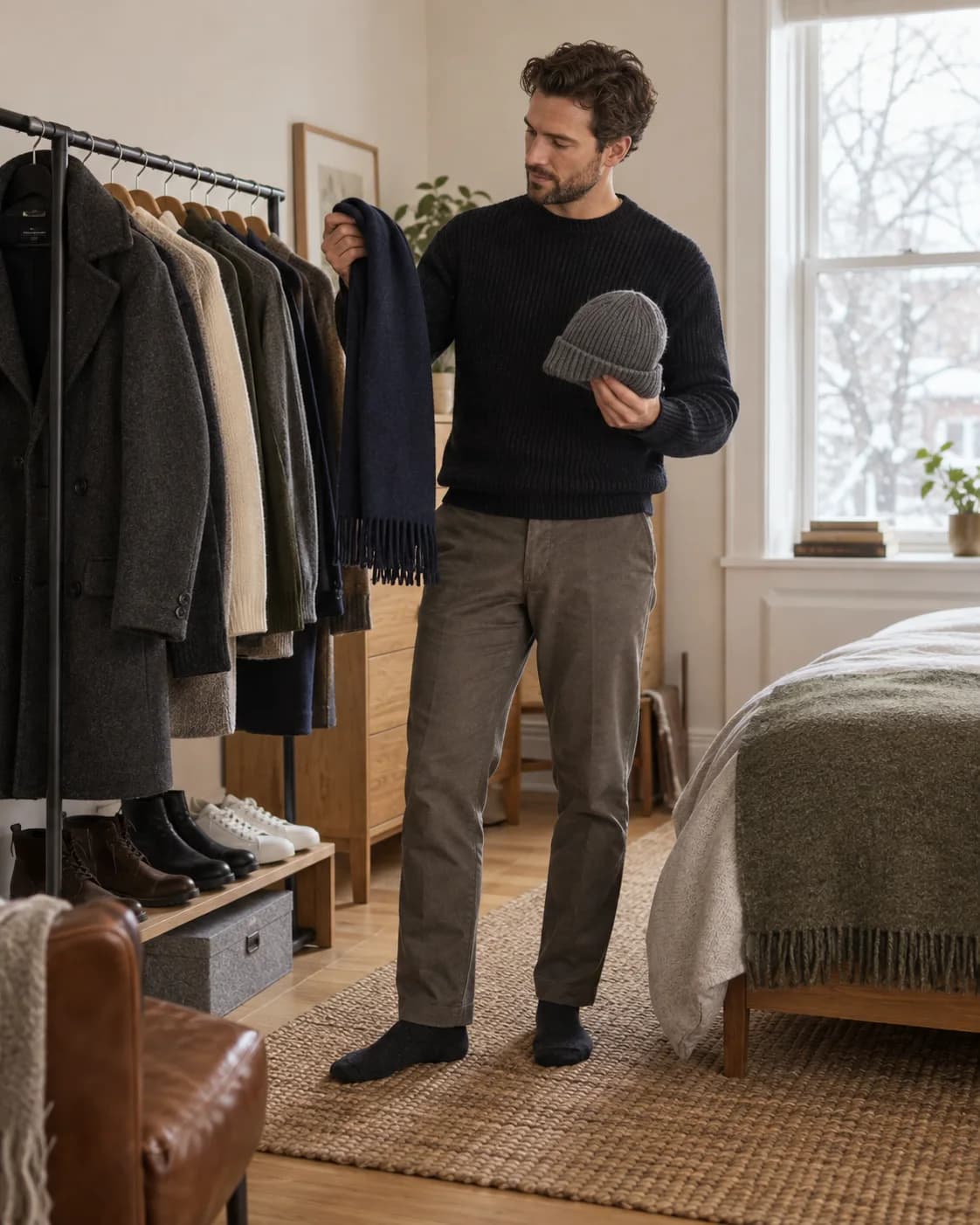
Save your next outfit idea
Build a Pinterest board around combinations you would actually wear. Save a whole outfit, then note the piece you already own and the one you would change. Over time, repeated colors and shapes will make your personal style easier to see.
Make the palette your own
Build winter outfits around comfort and the weather you actually face. A wool coat, knit and boots cover many dry city days; a waterproof insulated layer and grippy footwear are better for snow and slush. Start with pieces you already own, check how they fit together, and add only the layers your routine needs.
Keep building your wardrobe
Men’s Fall Outfits
Six complete men’s fall outfits, with removable layers, textured sweaters, versatile trousers and verified shopping picks.
Men’s Chukka Boots Outfits
Six men’s chukka boot outfits, with practical guidance on boot materials, trouser hems, fit, care and dress codes.

Denim on Denim for Men: 6 Double-Denim Outfit Ideas
Six complete double-denim outfits pairing jackets or shirts with jeans in contrasting washes, plus practical fit, color and care advice.