The Famous Outfits style guide
Men’s Monochromatic Style Guide
Monochromatic dressing goes beyond wearing black from head to toe. Use nearby shades, different fabrics and a comfortable fit to make one color family work for casual days, warm weather and smarter plans. Explore six complete outfit formulas and practical ways to adapt the pieces you already own.
By Famous Outfits · Updated September 27, 2026
Start here
How to build a monochromatic outfit
Choose one color family, then combine two or three shades with different textures. For an easy neutral look, try a charcoal knit with gray trousers and black shoes; for a lighter outfit, layer ivory and stone. Fit and fabric do the work that bright color usually does, so start with pieces you can wear separately too.
Choose a color family and create contrast
Monochromatic dressing means staying within one color family, not wearing a single flat shade. Start with a neutral you already own, then vary lightness, fabric and shape so the pieces look related without appearing like a mismatched suit.
Black
A strong evening or urban base. Texture helps separate pieces.
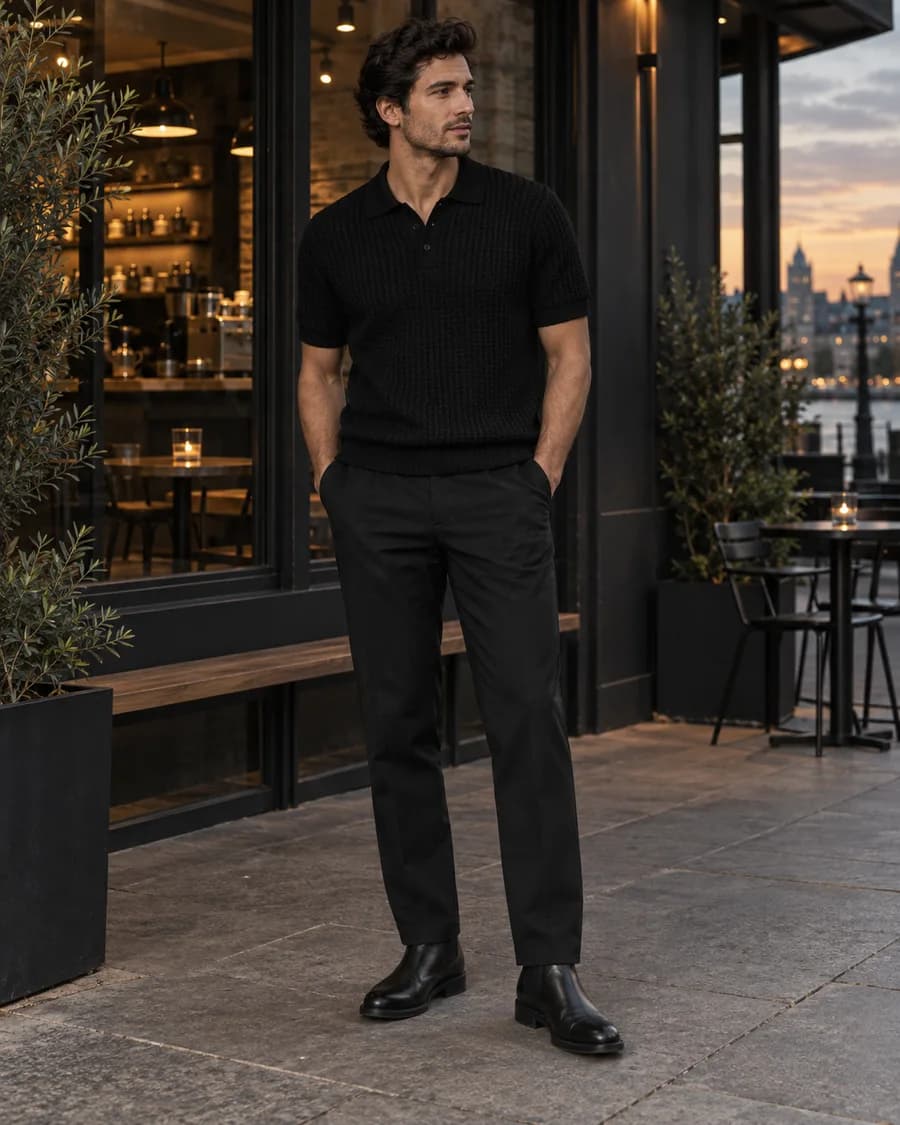
Try it: Black knit + black chinos + leather boots
Charcoal
A softer dark neutral for knitwear, trousers and outerwear.
Try it: Charcoal sweater + gray trousers + black shoes
Medium gray
A useful middle shade between charcoal and pale gray.
Try it: Gray shirt + charcoal trousers + gray blazer
Light gray
Adds daylight contrast without leaving a neutral palette.
Try it: Light gray shirt + medium-gray jacket
Navy
An easy alternative to black for casual separates.
Try it: Navy overshirt + navy tee + navy chinos
Ivory
Softens a light outfit and is less stark than bright white.
Try it: Bone overshirt + white tee + stone chinos
Stone
A warm neutral that works for lighter trousers and summer layers.
Try it: Cream shirt + stone pants + off-white shoes
Brown
A rich tonal choice; combine tan, tobacco and dark chocolate.
Try it: Tan overshirt + brown tee + dark brown chinos
Use a value shift for definition
Value means how light or dark a color appears. Put a lighter piece beside a darker one—such as a light gray shirt with charcoal trousers—when you want the outfit to read clearly from a distance. Similar-value pieces can also work; use a visible fabric change or a clear silhouette to keep them distinct.
Let texture replace extra color
Ribbed knit, brushed cotton, smooth twill and suede catch light differently. That variation gives a one-color outfit depth without adding a second palette. Keep fabric weights suitable for the weather: heavy wool and fleece add warmth, while cotton poplin, linen blends and lighter knits are more comfortable in heat.
Decide how far the palette extends
A shirt, trousers and jacket in one family make the core monochrome statement. Shoes, belt and bag can continue that color or act as quiet neutrals. A deliberate white tee under a navy overshirt is still a useful tonal outfit, although it is no longer strictly one-color head to toe.
6 men’s monochromatic outfits for real occasions
Use the formulas as a starting point and substitute pieces you already own. Each combination has a different job, from a relaxed weekday to an occasion that calls for tailoring.
Compare the outfits at a glance
| Outfit | Best for | The formula |
|---|---|---|
| Black coat, charcoal knit and gray trousers | Smart casual • cool weather | Black topcoat + charcoal knit + gray tailored trousers + black leather shoes |
| Navy overshirt with layered blues | Weekend • spring & autumn | Navy overshirt + navy tee + navy chinos + navy suede sneakers |
| Ivory layers and stone trousers | Warm weather • relaxed daytime | Bone overshirt + white tee + stone chinos + off-white sneakers |
| Charcoal sweatshirt and gray casual trousers | Casual • errands & travel | Charcoal crewneck sweatshirt + dark gray relaxed trousers + gray sneakers |
| A textured all-black outfit | Dinner • evening | Black knit polo + black straight chinos + black Chelsea boots |
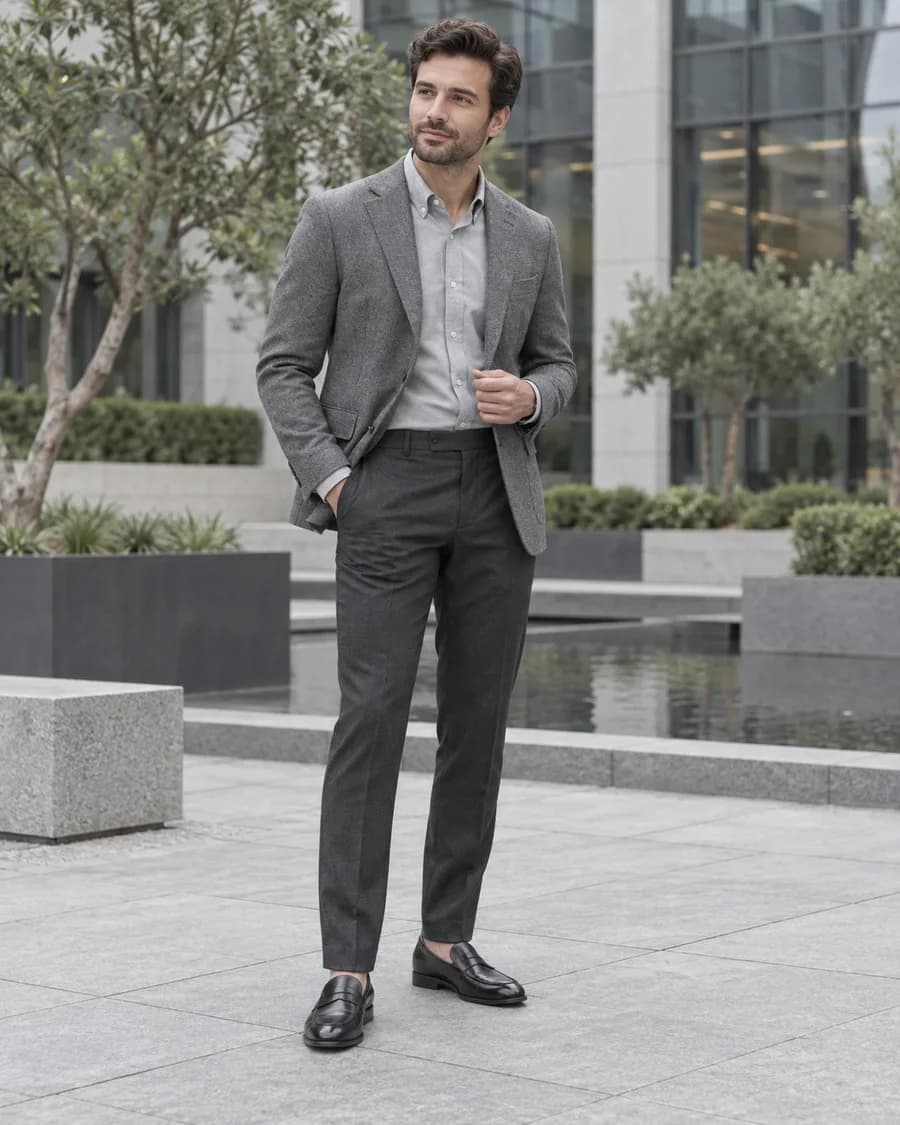
| Gray shirt, blazer and tailored trousers | Smart casual • meetings & dinner | Light gray Oxford + gray blazer + dark gray tailored trousers + black leather Oxfords |
As an Amazon Associate, Famous Outfits earns from qualifying purchases. Shop similar pieces to recreate each look; the photos do not depict the exact linked products. Check your size, color, and current price on Amazon.
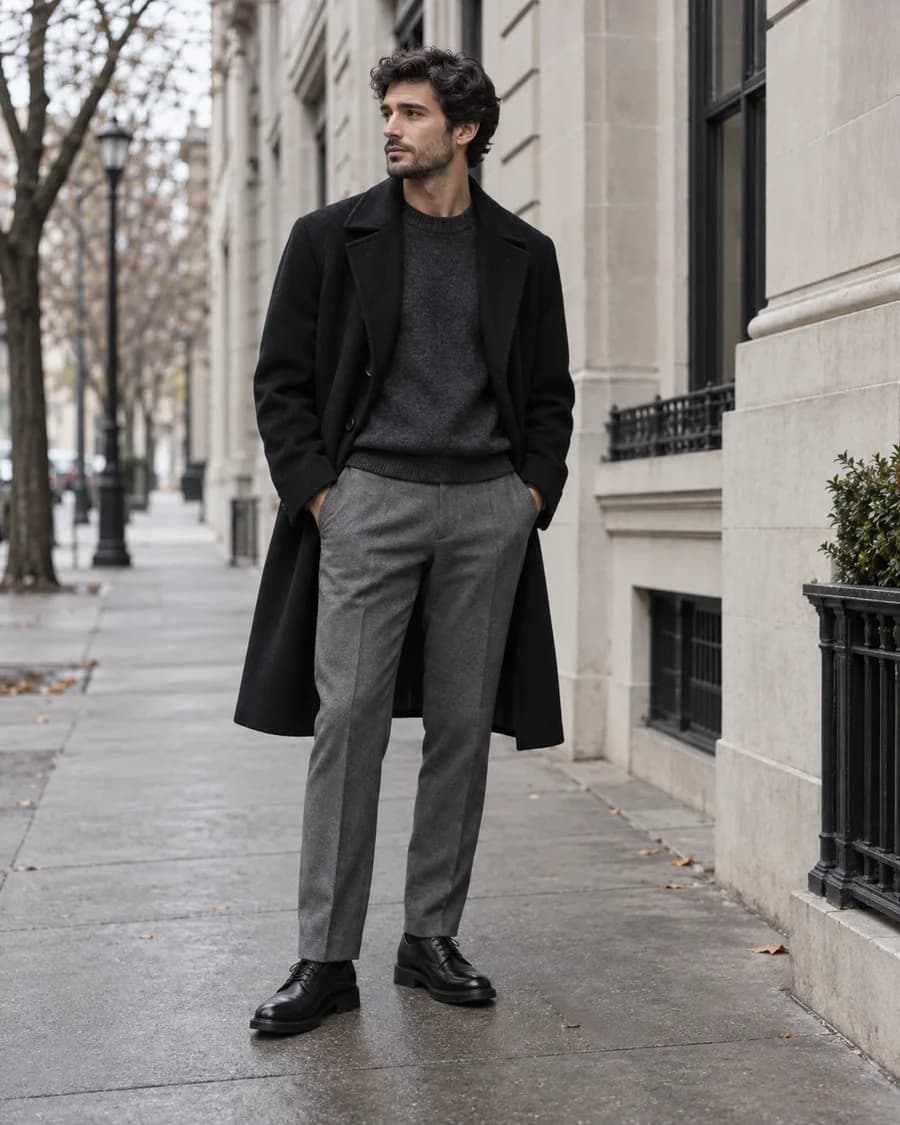
01 / Smart casual • cool weather
Black coat, charcoal knit and gray trousers
Black topcoat + charcoal knit + gray tailored trousers + black leather shoes
A dark coat and knit give the upper half weight; gray trousers keep the whole outfit from becoming one uninterrupted black block. The tonal steps are subtle but easy to read because the trouser fabric and sweater texture differ. This works for dinner, a city day or a relaxed office that allows separates.
Make it yours. Try the coat with the trousers you already own before buying a full new set. If the gray feels too light beside the coat, a charcoal trouser creates a quieter transition.
Shop this outfit 4 pieces
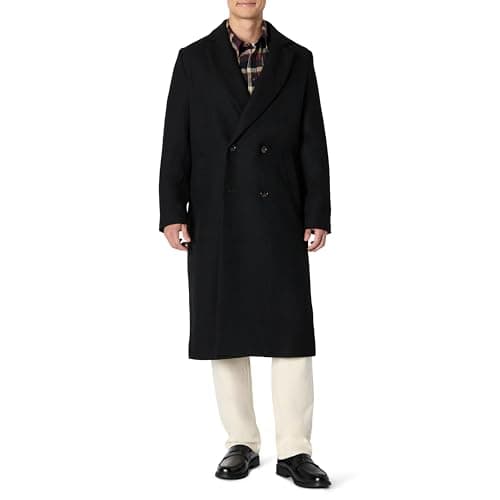 Amazon EssentialsBlack wool-blend topcoatBlack longline wool-blend layer; check the size chart and fabric blend.View on Amazon
 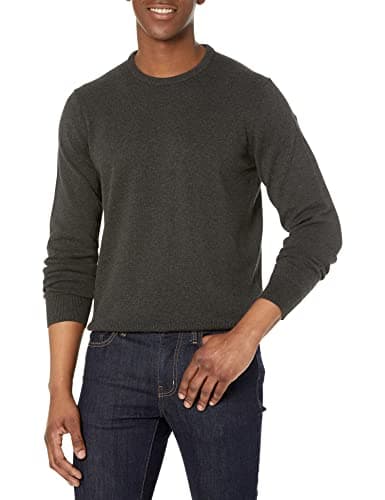 Amazon EssentialsCharcoal crewneck sweaterCharcoal heather cotton cable knit; a textured option rather than the smooth knit pictured.View on Amazon
 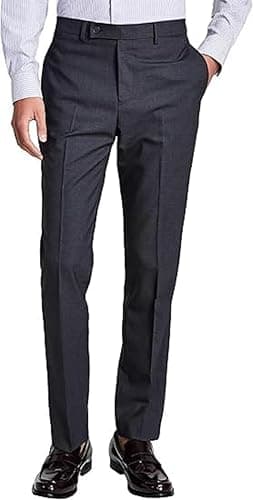 Calvin KleinGray tailored trousersGray slim-fit dress trousers; select your waist and inseam.View on Amazon
  ClarksBlack leather Oxford shoesBlack leather cap-toe Oxford; a dressier shoe than the plain-toe look pictured.View on Amazon
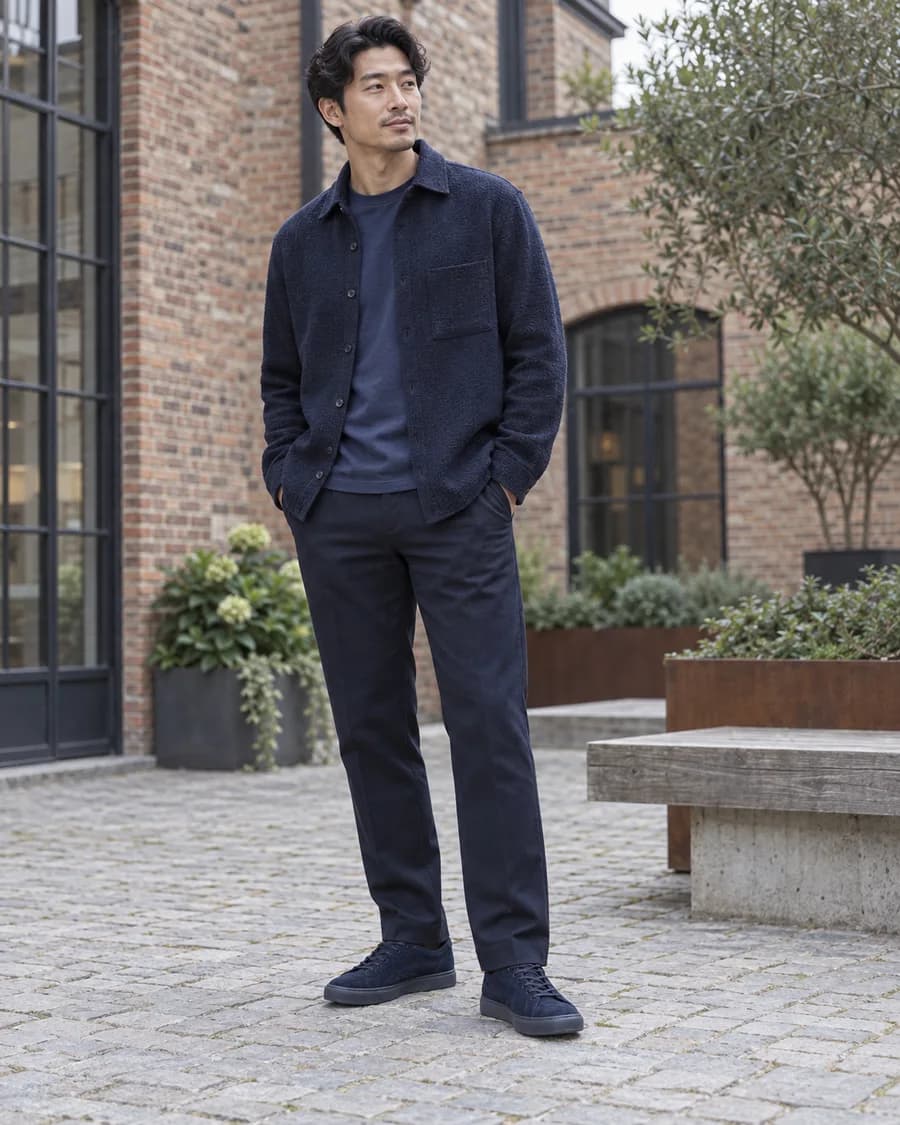
02 / Weekend • spring & autumn
Navy overshirt with layered blues
Navy overshirt + navy tee + navy chinos + navy suede sneakers
This is an easy way to use monochrome outside the black-and-gray palette. Let the tee sit slightly lighter than the trousers and overshirt, then use the brushed sneaker texture to finish the look. The overshirt works open for a relaxed outline and can come off indoors without leaving the outfit incomplete.
Make it yours. If your navy pieces are nearly identical, change the material or wear the tee untucked just enough to show a clean layer. Avoid forcing a perfect color match across different fabrics.
Shop this outfit 4 pieces
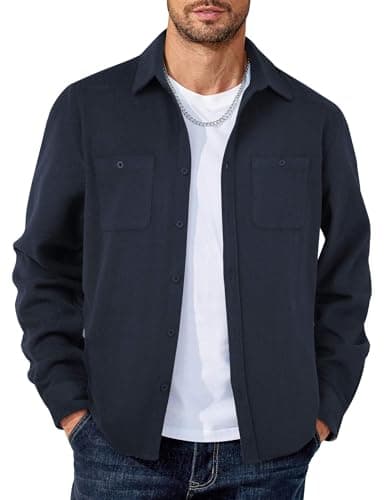 COOFANDYNavy overshirtNavy blue shirt jacket; choose your size.View on Amazon
 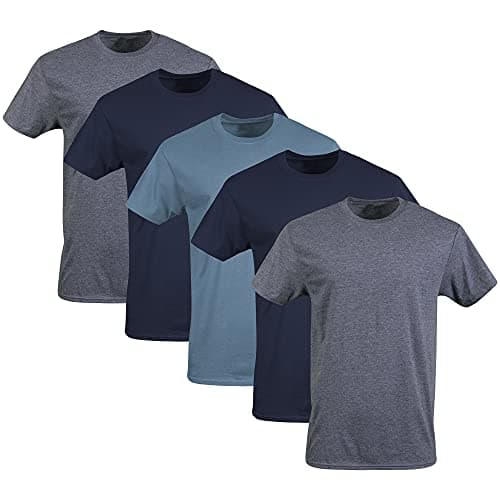 GildanNavy crew-neck T-shirtNavy multipack; compare the shades and fit before choosing.View on Amazon
 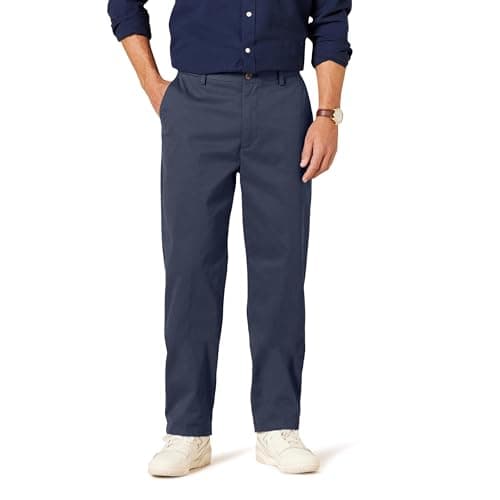 Amazon EssentialsNavy chino trousersNavy classic-fit chinos; select waist and inseam.View on Amazon
 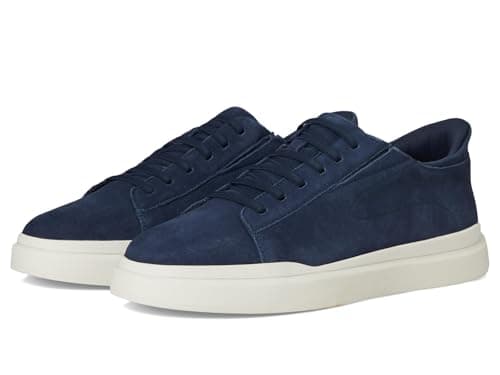 Marc Joseph New YorkNavy suede sneakersNavy suede sneaker; verify sizing and the current color options.View on Amazon
03 / Warm weather • relaxed daytime
Ivory layers and stone trousers
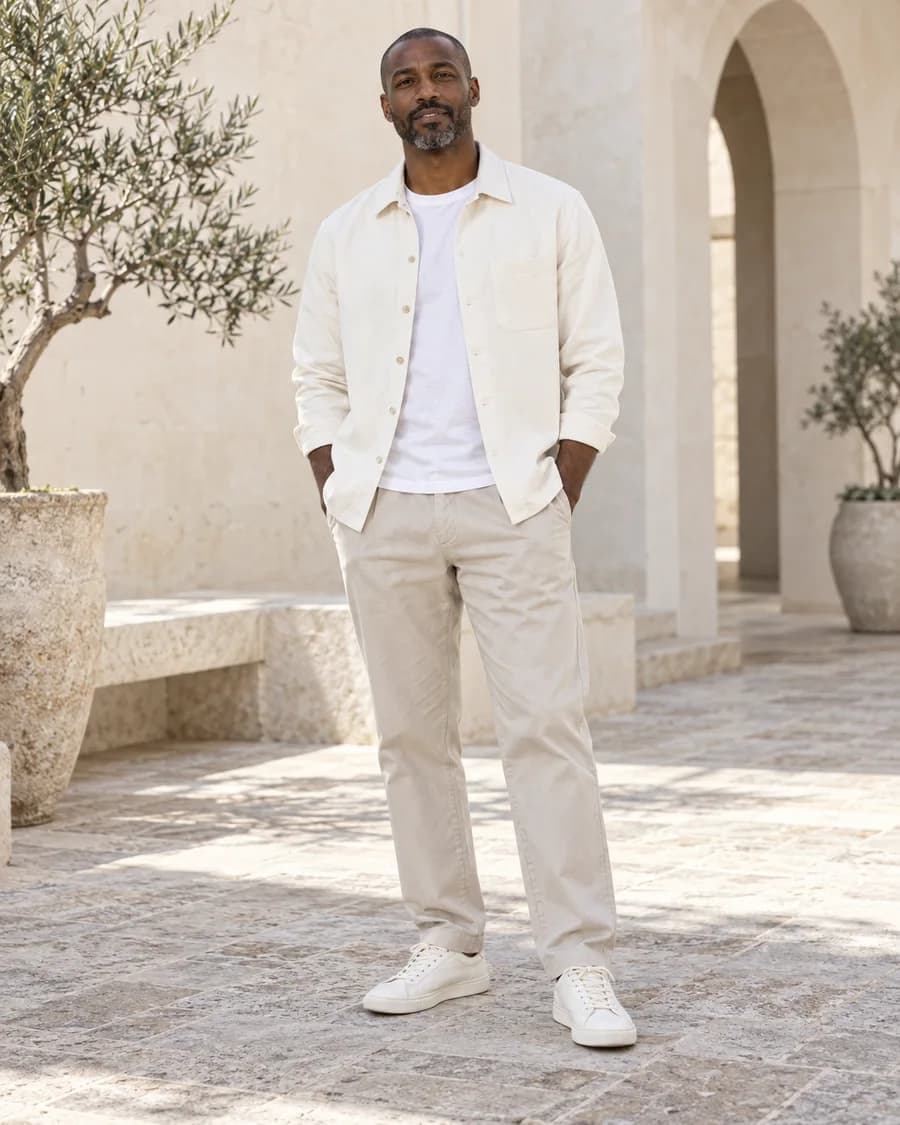
Bone overshirt + white tee + stone chinos + off-white sneakers
A pale outfit can feel intentional when the layers move from white through bone to stone. It is useful for bright days and casual lunches, but the cloth matters: lighter trousers may show pockets or underwear in direct sun. The overshirt adds a more structured edge and gives you a layer to remove as the day warms up.
Make it yours. Check the trousers in strong daylight and sit down before deciding on length. If you prefer a sharper contrast, swap the white tee for an ivory or oatmeal top.
Shop this outfit 4 pieces
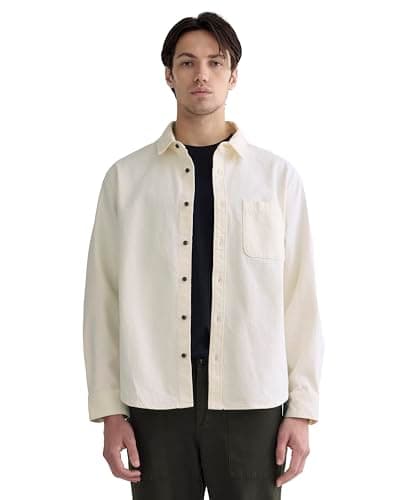 EverlaneBone cotton overshirtBone-colored canvas overshirt; a structured alternative to the lighter shirt-jacket pictured.View on Amazon
 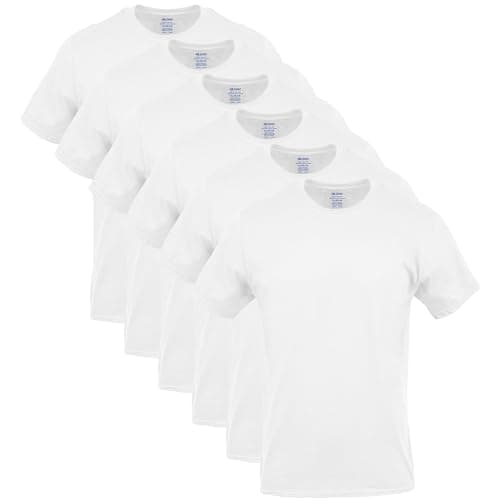 GildanWhite crew-neck T-shirtWhite multipack; choose a size that works worn alone and as a layer.View on Amazon
 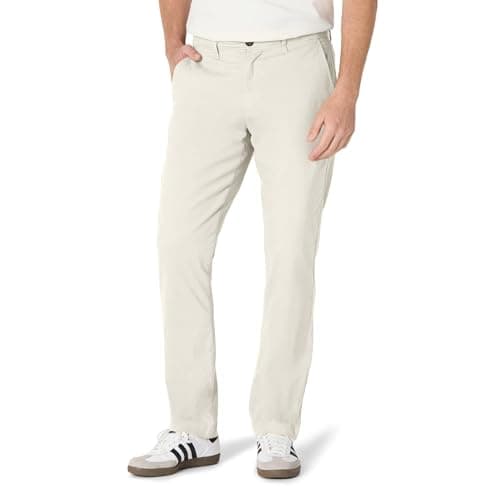 Amazon EssentialsStone chinosStone athletic-fit chinos; review the waist, thigh and leg shape before ordering.View on Amazon
 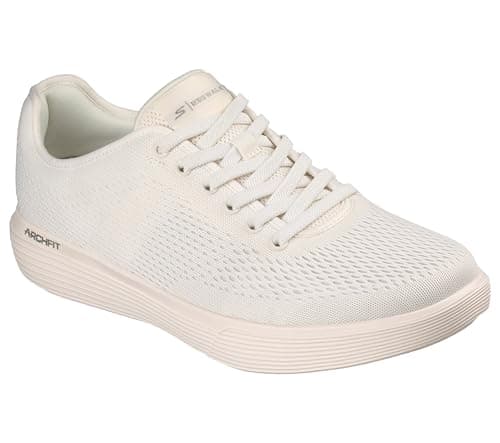 SkechersOff-white walking sneakersOff-white walking sneaker; a more practical sole than the minimalist pair pictured.View on Amazon
04 / Casual • errands & travel
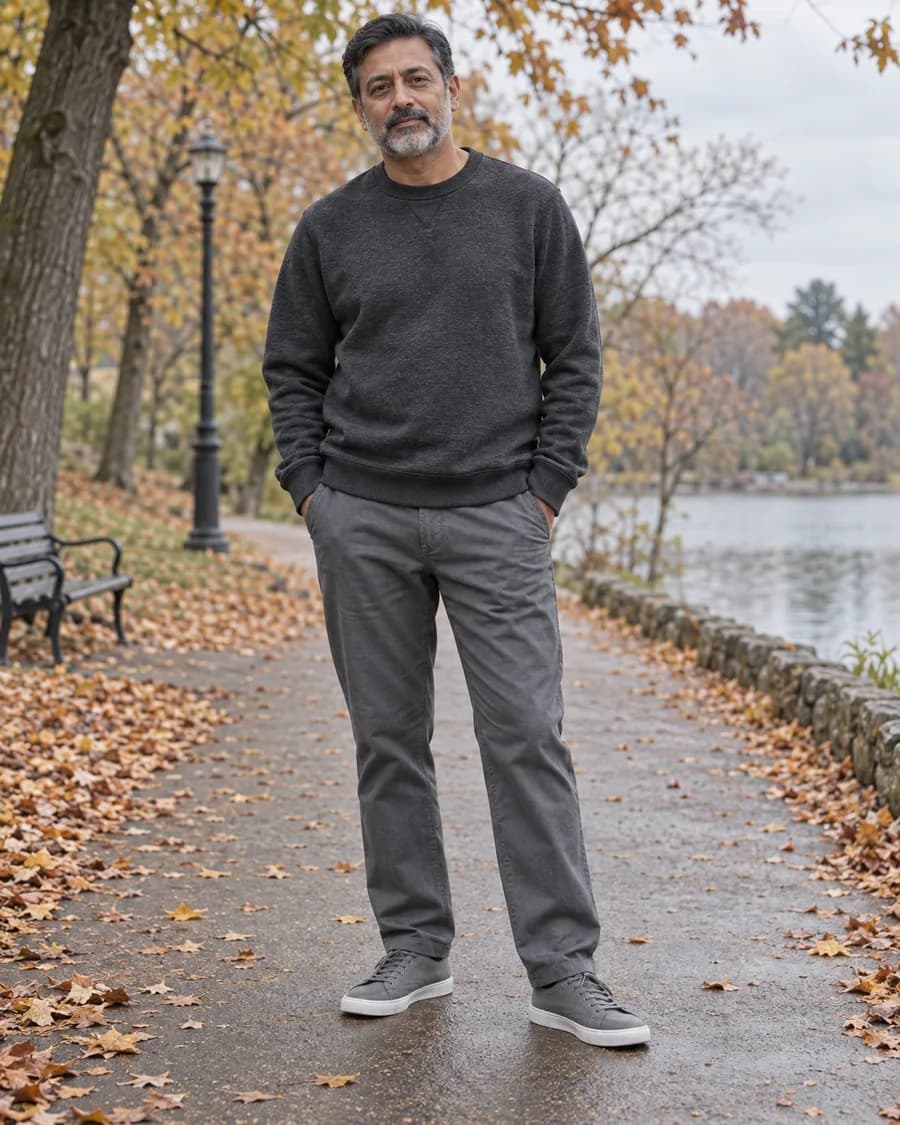
Charcoal sweatshirt and gray casual trousers
Charcoal crewneck sweatshirt + dark gray relaxed trousers + gray sneakers
A sweatshirt and relaxed trouser make tonal dressing comfortable enough for travel or a long day out. The darker pants ground the lighter charcoal top, while a similarly muted sneaker keeps the palette quiet. This is clearly casual; it does not become business casual just because every item is gray.
Make it yours. Keep the sweatshirt hem and trouser rise compatible so the layers do not bunch at the waist. If the trousers feel too dressy beside fleece, choose a more casual five-pocket cut.
Shop this outfit 3 pieces
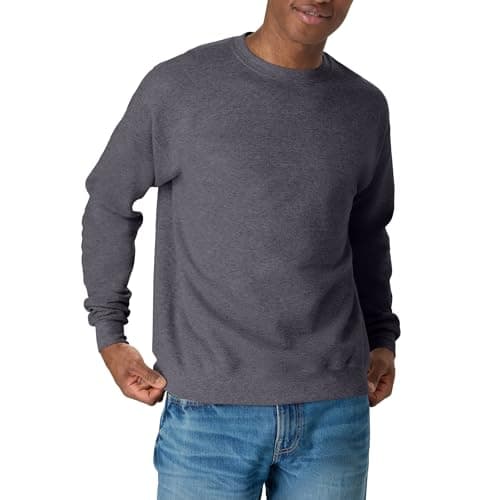 HanesCharcoal sweatshirtCharcoal heather crewneck sweatshirt; casual fleece rather than knitwear.View on Amazon
 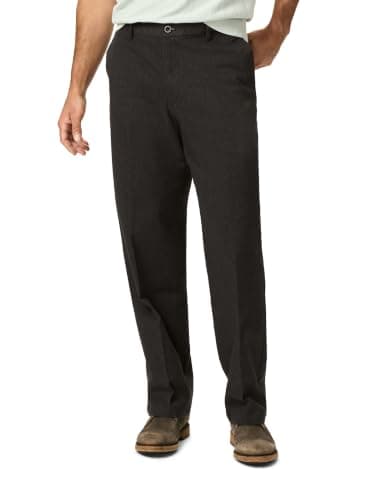 DOCKERSDark charcoal trousersDark charcoal relaxed-fit trousers; check the available waist and inseam.View on Amazon
 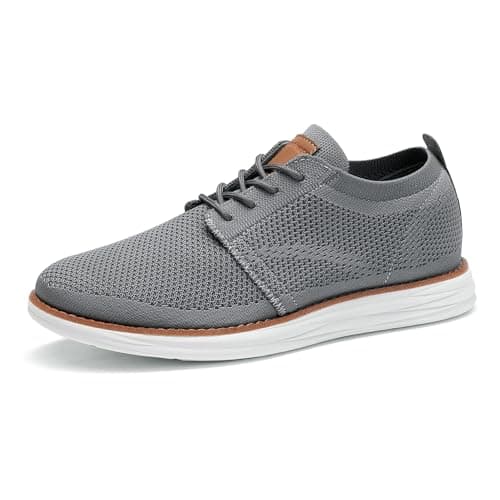 Bruno MarcDark gray casual sneakersDark gray knit casual shoe; choose a size and width that suits your foot.View on Amazon
05 / Dinner • evening
A textured all-black outfit
Black knit polo + black straight chinos + black Chelsea boots
All black is simple when the pieces have different surfaces: textured knit, matte cotton twill and smooth leather. The polo collar gives the top shape without the formality of a dress shirt. It suits casual evening plans; for a formal event, check the dress code and use a proper suit when requested.
Make it yours. Lint and fading show more on black than on most colors. Check the pieces under the light where you will wear them, and let one texture be the focal point rather than adding several shiny finishes.
Shop this outfit 3 pieces
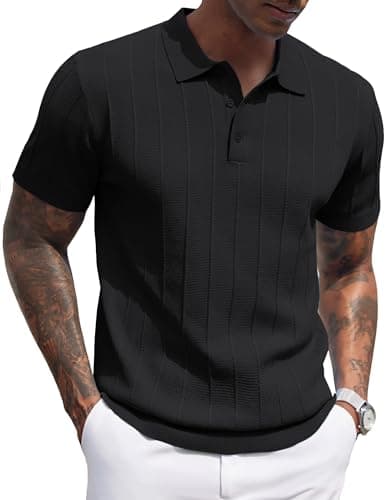 COOFANDYBlack knit poloBlack textured short-sleeve knit polo; compare the fabric and collar with the photo.View on Amazon
  Amazon EssentialsBlack straight chinosBlack straight-fit stretch chinos; choose your waist and inseam.View on Amazon
  Amazon EssentialsBlack leather Chelsea bootsBlack leather Chelsea boot; check sizing and the current upper material.View on Amazon
06 / Smart casual • meetings & dinner
Gray shirt, blazer and tailored trousers
Light gray Oxford + gray blazer + dark gray tailored trousers + black leather Oxfords
A light shirt and jacket above darker trousers create a clear gray scale that feels more polished than a sweatshirt outfit. Keep the blazer and pants distinct enough that they read as separates; if they look like an almost-matching suit, either wear a coordinated suit or create more contrast between them. Black Oxfords sharpen the finish.
Make it yours. Check the blazer shoulder and sleeve before focusing on the shade. A tonal palette cannot compensate for poor fit, and the light-gray product options may vary from the photo.
Shop this outfit 4 pieces
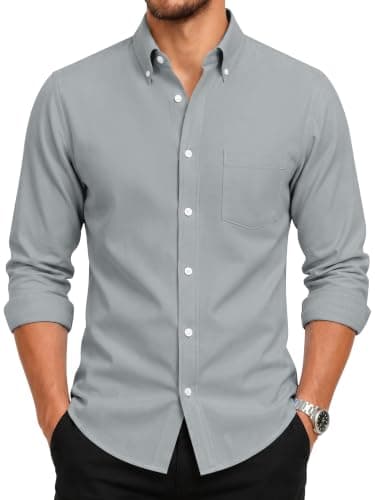 Brand not listedLight gray Oxford shirtLight gray Oxford button-down; check the collar and chest fit.View on Amazon
  COOFANDYLight gray blazerLight gray casual blazer; confirm the shade, fabric and shoulder fit.View on Amazon
 - Calvin KleinGray tailored trousersGray slim-fit dress trousers; select your waist and inseam.View on Amazon
- ClarksBlack leather Oxford shoesBlack leather cap-toe Oxford; a dressier shoe than the plain-toe look pictured.View on Amazon
Build a small wardrobe that mixes easily
A compact tonal wardrobe needs a few pieces that already work together. Begin with one outfit for your routine; add a second color family only when it solves a real gap.
Start with a base
One pair of charcoal or navy trousers
Choose a shade that already works with two tops you own.
Everyday top
A crewneck tee or knit in a neighboring shade
Use a lighter or darker value to make the combination legible.
Layer
An overshirt, cardigan or unstructured blazer
Texture and a change in shape add interest without another color.
Warm weather option
A pale shirt and light stone trousers
A breathable, lighter outfit is more useful in heat than a dark winter palette.
Casual shoes
Clean sneakers in a close or neutral shade
Keep the sole comfortable for your actual walking plans.
Smarter shoes
Black or dark brown leather shoes
Use the pair that suits your dress code; the exact shade need not match.
Outerwear
A coat in charcoal, navy or black
A neutral outer layer can work across several tonal combinations.
Optional second palette
Add cream, brown or olive pieces only when needed
Build another color family from one complete outfit, not scattered impulse purchases.
Before buying, make three combinations from the pieces on your list. If a new shirt only works with trousers you do not own, it may be less useful than a replacement for something you wear every week. Fabric care and comfortable fit deserve as much attention as color.
Adjust monochrome outfits for the season
Keep the color family and change the weight, weave and coverage to suit the weather.
Spring: use a removable layer
Try a tee beneath an overshirt or an Oxford beneath a lightweight jacket. The open layer adds depth while giving you a practical option when the temperature changes. Check that the sleeves and hem still sit cleanly when the jacket is open.
Summer: lighten both color and fabric
Cotton poplin, linen blends and lighter trousers help more than simply choosing white. Avoid tight layers that trap heat, and check light pants in direct sun for transparency. Leave the overshirt open or carry it for cool indoor spaces.
Autumn: bring in texture
A brushed shirt, knit or suede shoe adds visual depth without introducing a new color. Medium and dark shades are easy to repeat, but vary the fabric so the outfit does not become a flat block. Choose a shoe sole that handles the ground and weather where you live.
Winter: plan the layers
A sweater, coat and trouser can stay in one family while providing useful warmth. Make sure the coat has room over your knit and the trouser hem clears wet sidewalks. If you need performance layers for severe weather, prioritize warmth, traction and protection over strict color coordination.
Use fit, texture and shade with intention
Check fit before fine color differences
The shoulder seam, chest, waistband and seat determine whether you can move comfortably. Try sitting, reaching and walking in the pieces. If one garment pulls or bunches, a new shade will not make the combination feel better.
Build a clear value pattern
A light-to-dark progression is easy to read: lighter shirt, medium jacket, darker pants. Reversing the order can work too. A low-contrast outfit feels calmer, while a high-contrast outfit draws attention to where the shades meet.
Use fabric to separate near-matches
A matte cotton tee and a textured overshirt can sit in similar navy shades because their surfaces differ. A smooth shirt and smooth trousers in two almost-matching grays may look accidental. Compare the full outfit together instead of judging each item alone.
Choose footwear for the occasion
Sneakers make tonal outfits relaxed, while Oxfords, loafers and boots carry different levels of formality. Color continuity is optional. Pick the shoe that supports the setting and the time you expect to spend on your feet.
Fix common monochrome outfit problems
The colors blend into one dark shape
Add a lighter shirt or change one fabric. Even a small difference around the neckline can separate the top from the coat. You can keep the all-dark effect if that is the intention; texture will still provide detail up close.
The pieces look almost but not quite matched
Increase the difference between them or make the fabrics clearly distinct. A near-match in the same smooth material can look like a suit with mismatched pieces. Either use a coordinated set or create an obvious tonal step.
The outfit feels too dressy or too casual
Change one anchor piece. Swap a blazer for an overshirt to make tailored trousers more relaxed, or exchange a sweatshirt for a knit polo when you need a neater look. The color family can stay the same.
The pale outfit looks transparent or impractical
Check the fabric in daylight, choose appropriate underlayers and think about where you will wear it. Light color does not require every piece to be white; stone, oatmeal and cream can soften the contrast and may suit your routine better.
Men’s monochromatic style FAQs
A few useful answers before you choose your next outfit.
What does monochromatic style mean for men?
A monochromatic outfit uses one color family from top to bottom. The pieces do not have to be an identical shade: charcoal, medium gray and black can work together, as can navy, pale blue and deep blue. Varying texture and value keeps the outfit from looking like a uniform or an imperfect matching set.
Do monochrome outfits have to be black and white?
No. Black, white and gray are an easy starting point, but monochrome can be built around navy, brown, olive, cream or another color family. Keep the main pieces within that family, then decide whether you want shoes and accessories to stay tonal too.
How do I wear all black without looking flat?
Mix materials that reflect light differently: matte cotton trousers, a textured knit and leather shoes give the eye useful detail even when the colors match. Check the fit and lint before leaving, and use a small value shift such as charcoal socks or a black jacket with a slightly different finish if you want separation.
Can different shades of gray go together?
Yes. A light shirt, medium-gray jacket and dark trousers create a clear top-to-bottom progression. Gray undertones vary: some are blue, some brown and some green. Lay the pieces together in daylight if the combination feels unexpectedly mismatched.
Should my shoes match my monochromatic outfit?
They can, but they do not have to be the exact same shade. A navy outfit with navy suede shoes or a gray outfit with dark gray sneakers keeps the line continuous. Black or white shoes can create a deliberate endpoint; choose them with the setting and the outfit’s level of formality in mind.
How do I stop tonal dressing from looking like a matching set?
Vary at least one of three things: shade, texture or silhouette. Pair a smooth shirt with textured knitwear, or let a lighter top sit above darker trousers. If the clothes are all the same shade and fabric weight, even a good fit can read as a uniform.
Can I mix warm and cool grays?
Usually, especially when the difference looks intentional. A cool blue-gray shirt beside a warm charcoal trouser can feel subtle or discordant depending on the pieces. Put them next to each other under natural light and add a neutral layer if you want a bridge between them.
What fit works best for a monochrome outfit?
Start with clothes that fit comfortably at the shoulder, chest, waist and seat. A tonal palette draws attention to the outline of the clothes, so bunching, pulling or a very long hem can become more visible. You can use a relaxed jacket with straighter trousers or keep every piece close to your preferred silhouette.
Can I wear patterns in a monochromatic outfit?
Yes. A subtle stripe, check or textured weave adds detail while keeping the palette focused. If the pattern is bold, let it be the main feature and keep the other pieces simple. Small-scale patterns often read almost like texture from a few steps away.
Is a monochrome outfit appropriate for work?
It can be, when the pieces suit your workplace. A charcoal suit with a gray shirt is more formal than a black T-shirt and dark jeans, even though both are monochromatic. Follow the invitation or office dress code, and use tailoring, fabric and footwear to set the level of formality.
How can I make a monochrome outfit work in summer?
Choose a lighter shade and breathable fabric: a cream linen-blend shirt with light stone trousers is cooler in both weight and appearance than a dark layered outfit. Check opacity in direct daylight, and leave room for air to move rather than relying on a very fitted cut.
Can I add one contrasting color?
Yes. A contrast changes a strict monochrome outfit into a tonal look with an accent, which can be useful for a belt, watch strap or sock. Keep the accent small if you want the main color family to remain the focus, or make it a larger deliberate piece such as a white tee under a navy overshirt.
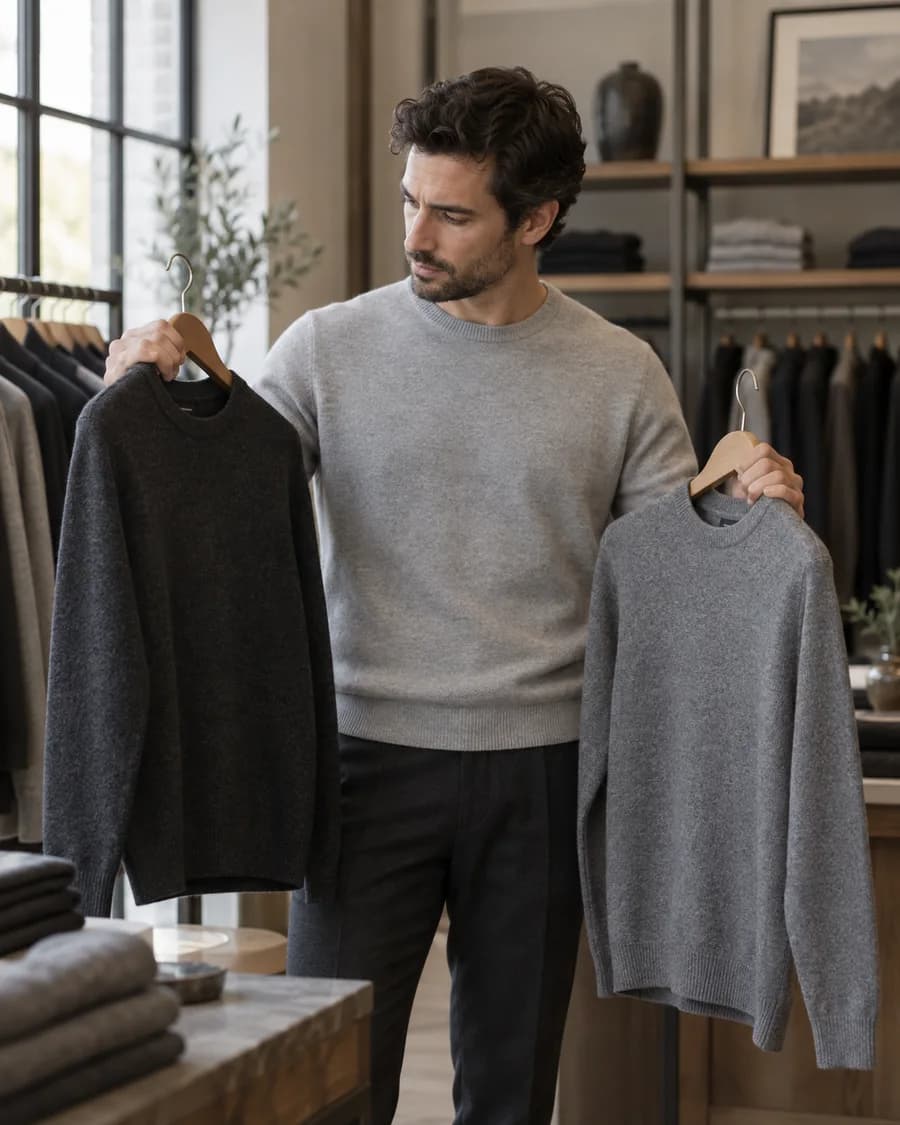
Save your next outfit idea
Build a Pinterest board around combinations you would actually wear. Save a whole outfit, then note the piece you already own and the one you would change. Over time, repeated colors and shapes will make your personal style easier to see.
Make the palette your own
Begin with one color you already wear and build a single outfit from it. Two or three shades plus different textures are usually enough. Once you know which pieces feel comfortable and work for your routine, repeat the idea in another color family or add a more formal option.
Keep building your wardrobe
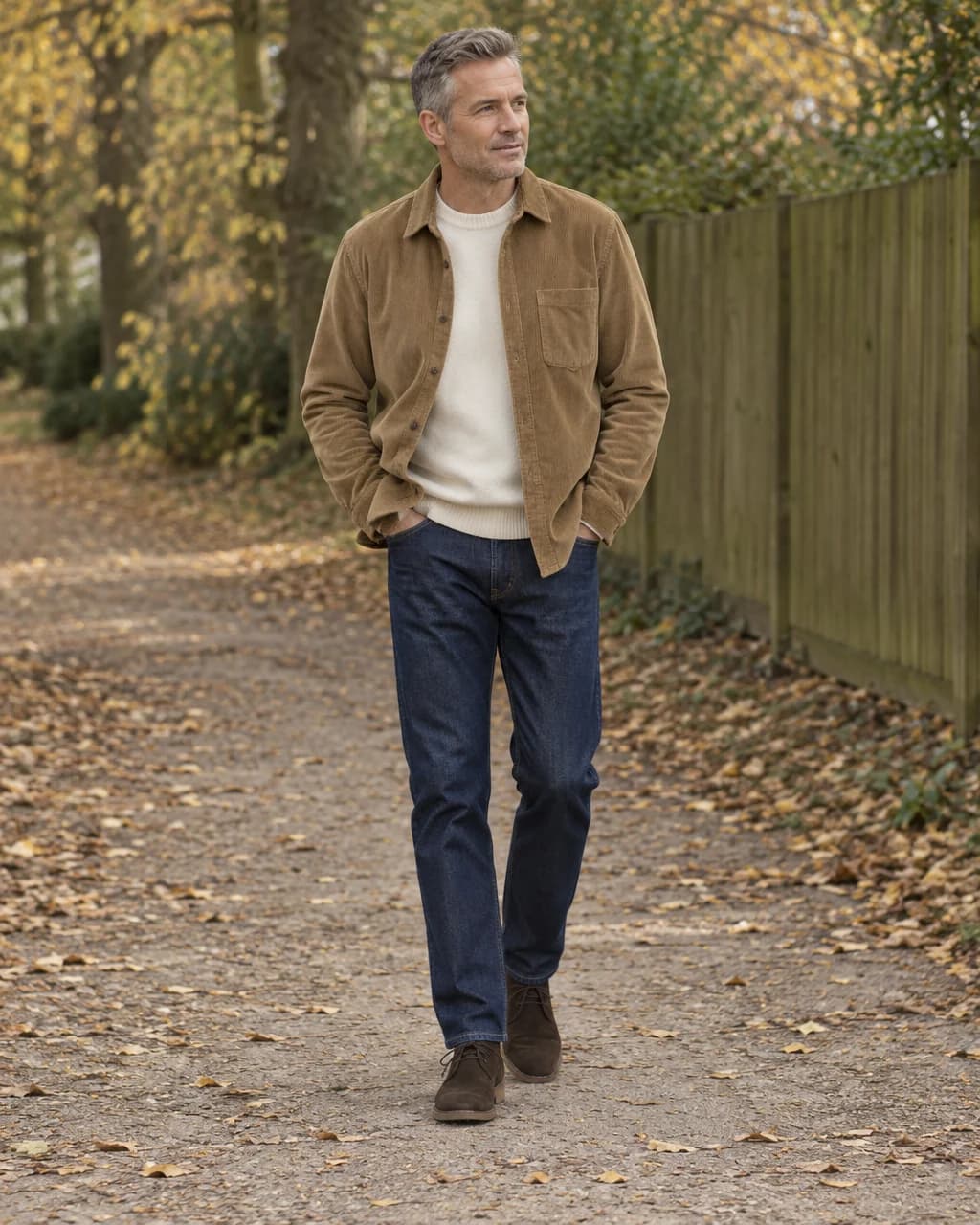
Overshirt Outfits for Men: 6 Ways to Layer a Shirt Jacket
Six complete men’s overshirt outfits, with practical layering advice, fit checks, trouser and shoe pairings, and verified shopping options.
Corduroy Pants Outfits for Men: 6 Ways to Wear Them
Six complete corduroy pants outfits for men, with practical advice on fit, rib width, layers and shoes, plus verified shopping options.

Rainy-Day Outfits for Men: 6 Practical Ways to Dress
Six complete rainy-day outfits for men, with waterproof footwear, useful layers and clear advice on showers versus sustained rain.