
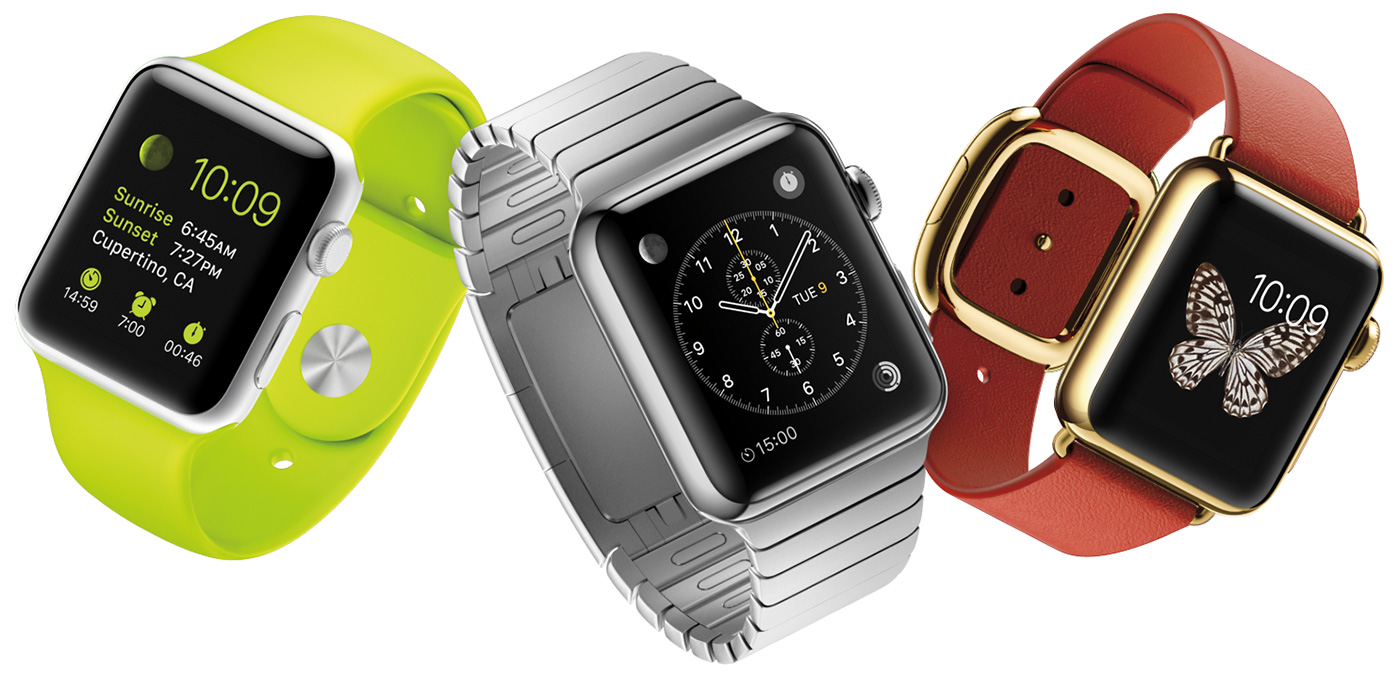
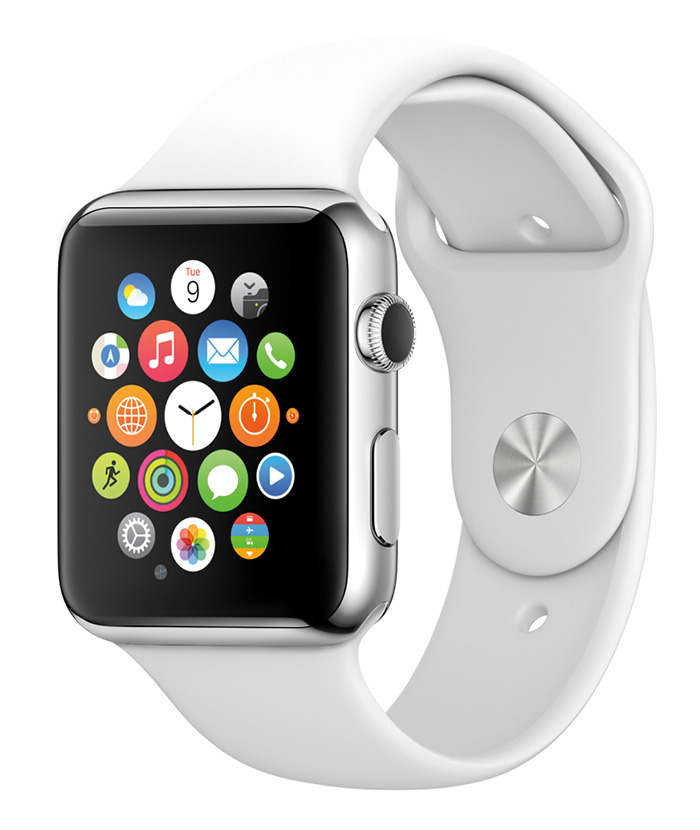
When Tim Cook introduced the Apple Watch in September 2014, it put a familiar object at the center of a new technology story. A watch had to work on the wrist, but it also had to work with the person wearing it. Different cases, straps, and faces made personal taste part of the product.
The announcement raised a question: had consumers already shown that they wanted a wrist-worn computer? The TikTok and LunaTik watchbands for the iPod nano, followed by Pebble’s crowdfunding success, offered an interesting way to think about Apple’s decision.
Uncharted territory
At the time of the announcement, the Apple Watch’s commercial future was still uncertain. Apple was taking a product that people chose for appearance, comfort, and habit and asking them to use it for notifications, fitness, and apps as well.
The original argument of this article was that the appetite for such a device was already visible. That is an interpretation of the events, rather than evidence of Apple’s internal product decisions. Apple’s own announcement described the watch and its features; it did not credit crowdfunding campaigns as the reason it was developed.
Apple’s reputation was built partly on showing people products they had not yet imagined using. The watchband story suggested the reverse could matter too: people were already finding a use for a product that its maker had not designed as a watch.
Think different: the iPod nano becomes a watch
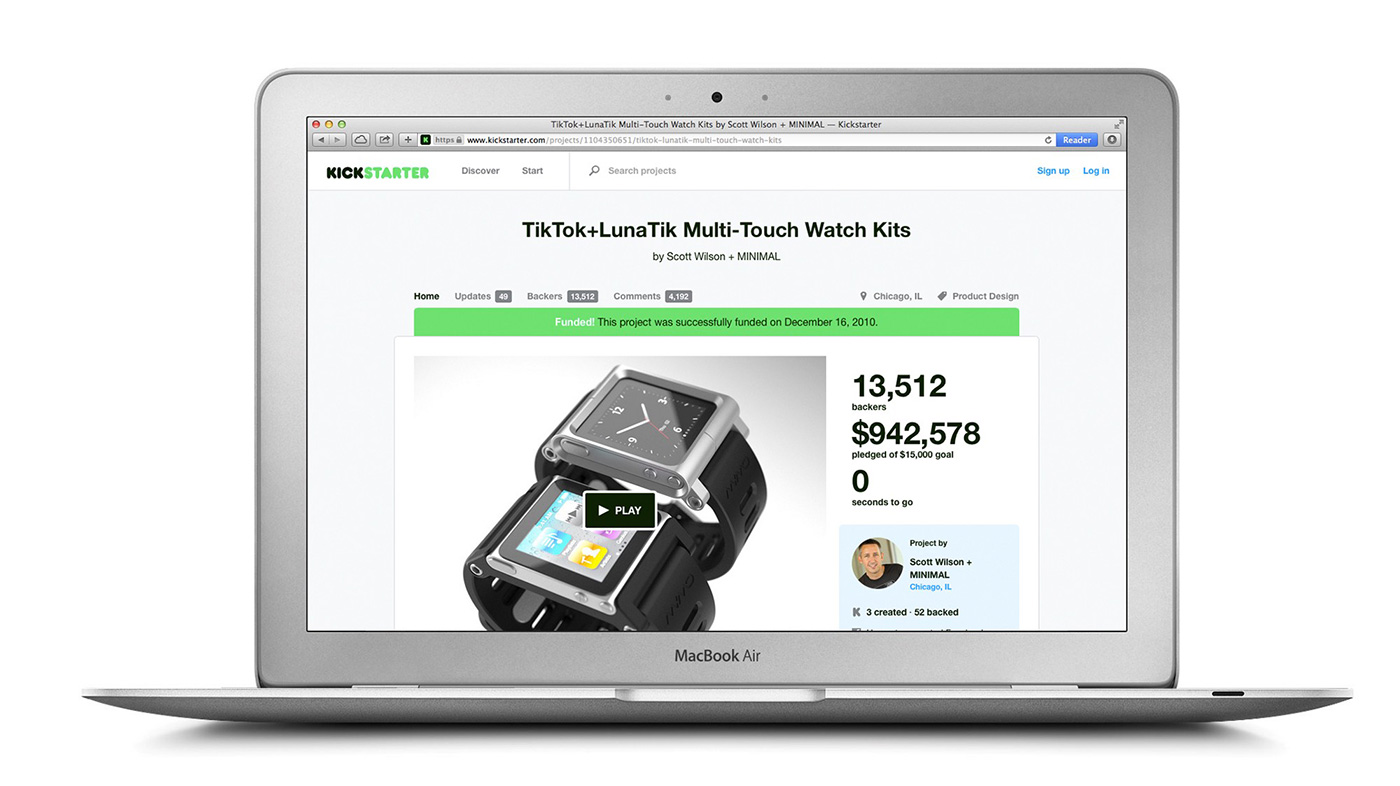
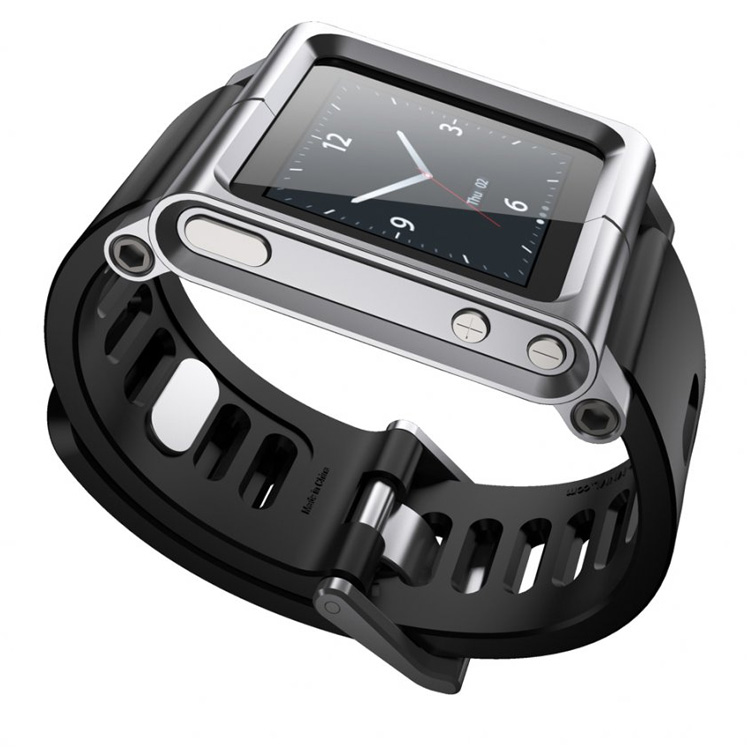
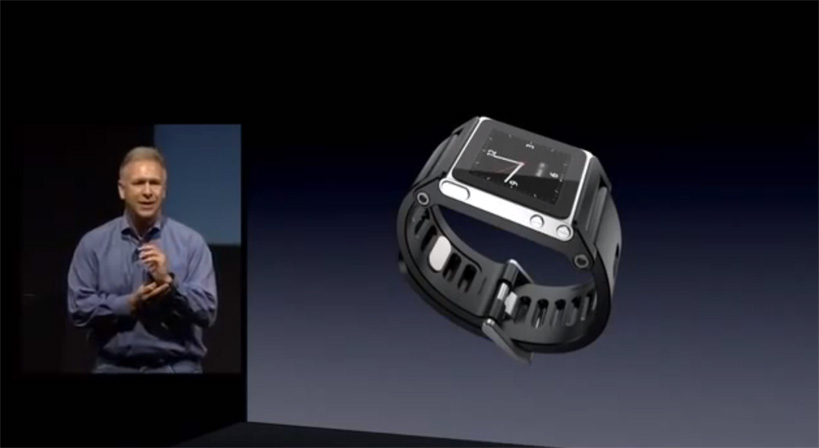
In 2010, Scott Wilson and MINIMAL launched the TikTok and LunaTik Multi-Touch Watch Kits on Kickstarter. The idea was straightforward: turn the small, square iPod nano into a wristwatch with a purpose-built band.
The campaign set a $15,000 goal and raised $942,578 from 13,512 backers. It was a striking demonstration that people were prepared to pay for the accessory. Kickstarter’s own history of its most-funded projects records how significant that campaign was for the platform.
The appeal was more than telling the time. It combined a familiar music player with a new way to wear it. The band turned an electronic device into something visible and personal, closer to a fashion accessory than a player carried in a pocket.
That does not mean every campaign backer wanted the same features Apple would later offer. It does show why the wrist was an interesting place to explore.
Apple acknowledges the wristwatch use
Apple’s October 2011 iPod nano update gave that use more support. The company added 16 clock faces and built-in fitness tracking that did not require a separate sensor. Its announcement of the iPod nano update described both features.
A nano in a band was still a music player adapted for the wrist. Even so, the changing faces and fitness features made it easier to see how a wrist-worn device could be useful beyond telling the time.
The people have spoken
Pebble’s 2012 Kickstarter campaign provided another sign of interest, raising more than $10 million for an e-paper watch. Together, these projects showed that there was an audience willing to fund new approaches to the wristwatch.
The connection to Apple remains a hypothesis. The success of TikTok, LunaTik, and Pebble does not establish when Apple began developing its watch or which ideas influenced the team. It does make the Apple Watch announcement feel less like a product arriving without any visible audience.
For style, the interesting question was how much personal choice a technology company would allow. A watch is worn openly and often every day. Materials, proportions, and straps matter alongside what appears on the screen. That is why the Apple Watch belonged in a conversation about fashion as well as technology.
Sources
- Apple Watch launch announcement, September 2014: the product and its original features.
- TikTok and LunaTik Kickstarter campaign: the original watch kits and campaign totals.
- Kickstarter’s history of its most-funded projects: LunaTik and Pebble’s place in crowdfunding history.
- Apple’s October 2011 iPod nano announcement: clock faces and fitness features.